
Blog
Cloud-Native Insights & Expertise

Discover our latest articles about cloud-native technologies, Kubernetes, DevOps, and modern software development. From practical tutorials to in-depth analyses.

Latest Blog Posts

Stay up to date with our latest articles about cloud-native technologies, Kubernetes, and DevOps.

1237 posts

Between Ambition and Reality: Is the Launch of the AI Act Delayed?

Between Ambition and Reality: Is the Launch of the AI Act Delayed?

The European AI Act, the first comprehensive regulation for artificial intelligence worldwide, was originally set to come into full effect by August 2026. However, there are increasing indications that this timeline might be postponed. Industry associations and large tech companies are calling for an extension, while civil society organizations warn of a setback in European digital policy.

Open Source in Administration: The Government Site Builder 11 Sets Standards

Open Source in Administration: The Government Site Builder 11 Sets Standards

With the award ceremony at the **Smart Country Convention (SCCON)** on October 2, 2025, the open-source movement in public administration celebrated a visible success. At the first nationwide **Open Source Competition for Authorities and Public Institutions**, organized by the **Open Source Business Alliance (OSBA)** and partners like **govdigital**, **SUSE**, **Capgemini**, and **ZenDiS**, projects were honored that demonstrate: Open Source is no longer an experiment – it is a viable administrative infrastructure.

Of AI Browsers, Cybersecurity, and Compliance

Of AI Browsers, Cybersecurity, and Compliance

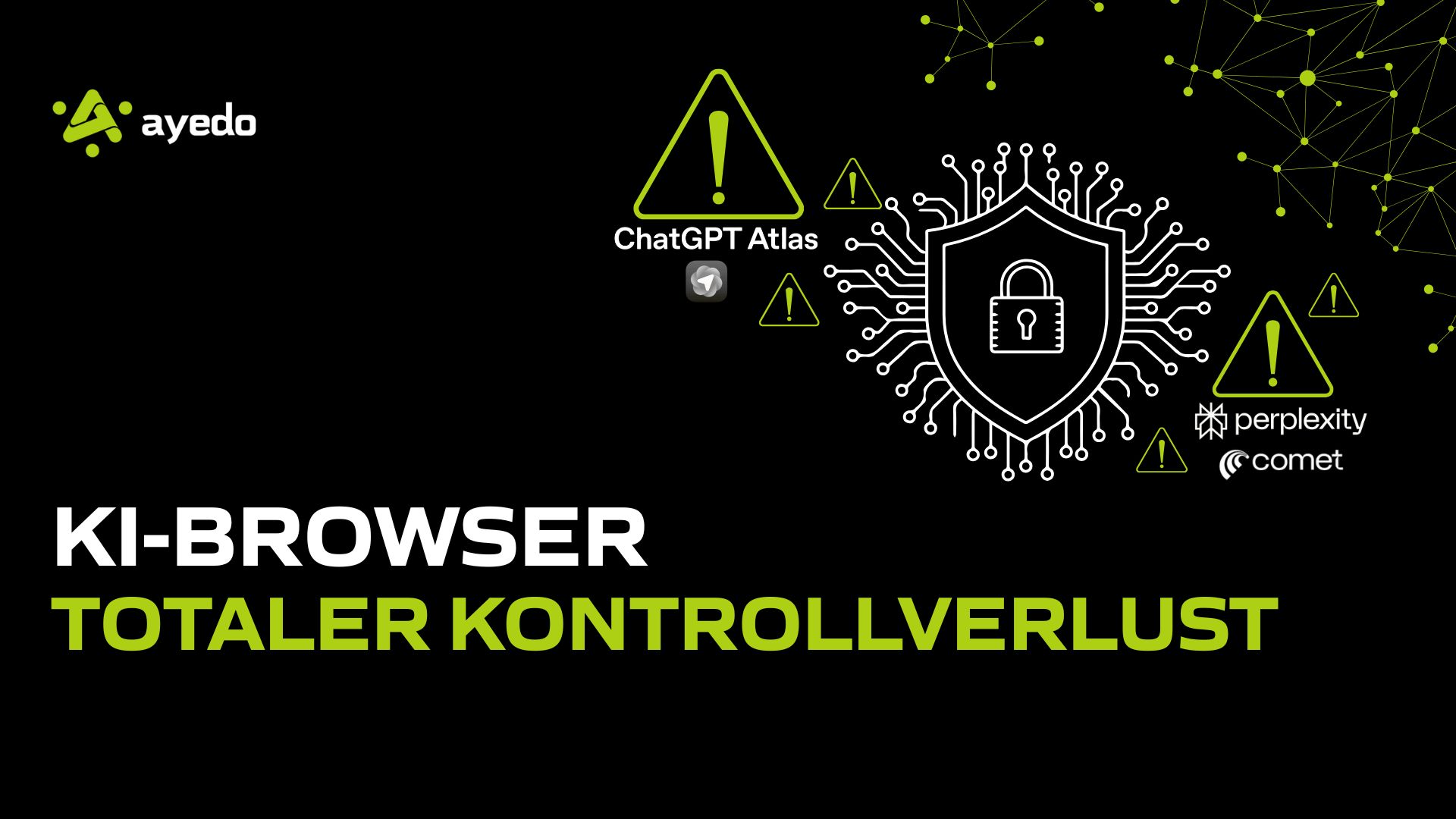
The introduction of AI browsers like OpenAI's ChatGPT Atlas and Perplexity Comet marks the beginning of a new era in human-computer interaction. These tools promise to redefine not just browsing, but the entire online task execution by understanding the web and performing autonomous actions. However, these groundbreaking capabilities pose fundamental challenges to our existing security architectures. For those of us in the IT industry, these new "agents in the browser" are not mere features but critical, novel attack vectors.