


Docker Here, Docker There – I'm Going Back to the Old Ways
You hear it more and more often, half-serious, half-annoyed: "Docker here, Docker there – I'm going back to the old ways."
Blog
Cloud-Native Insights & Expertise
Discover our latest articles about cloud-native technologies, Kubernetes, DevOps, and modern software development. From practical tutorials to in-depth analyses.
Latest Blog Posts
Stay up to date with our latest articles about cloud-native technologies, Kubernetes, and DevOps.
1219 posts
You hear it more and more often, half-serious, half-annoyed: "Docker here, Docker there – I'm going back to the old ways."

In many discussions with IT leaders, sysadmins, and architecture decision-makers, a recurring pattern emerges: The question of "Swarm or Kubernetes" is not only a technological one but also strategic. Which platform offers less operational pain, more scaling potential, and long-term stability? After years of operational experience, ayedo has a clear preference – [Kubernetes](/kubernetes/). However, this doesn't mean Swarm lacks validity. On the contrary, one shouldn't believe that choosing Swarm today as a long-term solution will bypass the Kubernetes learning curve. Eventually, you'll find yourself with Kubernetes, facing the typical "and suddenly" problems that Swarm brings, especially in larger environments.

Many people nod knowingly when the conversation turns to "containerization" or "virtual machines" – but honestly: those who can truly explain **where exactly the difference lies** are rarer than you think.

Alerting and Incident Response according to NIS-2 and DORA

Golden Signals: Latency, Traffic, Errors, and Saturation in Practice

The International Criminal Court (ICC) in The Hague is taking a significant step in response to recent political tensions with the USA: it is ending its collaboration with American technology providers like Microsoft and will now rely on the open-source platform **OpenDesk** developed by the German government. This move marks a turning point in how international institutions handle digital dependency and underscores the strategic importance of technological sovereignty.

The European AI Act, the first comprehensive regulation for artificial intelligence worldwide, was originally set to come into full effect by August 2026. However, there are increasing indications that this timeline might be postponed. Industry associations and large tech companies are calling for an extension, while civil society organizations warn of a setback in European digital policy.
The German Research Foundation (DFG) has sent a clear message: it is launching a funding program to retrieve endangered research data from foreign cloud storage—primarily from the data centers of Amazon, Google, and Microsoft. What sounds like a technical detail is, in fact, an overdue political decision.
Policy Enforcement with Kyverno: Real-Time Validation in Kubernetes
GitOps with ArgoCD: Declarative Kubernetes Deployments
Secrets Management: Vault and External Secrets Operator
Harbor and CRA Compliance: SBOM, CVE Scanning, and Image Signing
Rootless Container Builds: Kaniko and Buildah as Secure Alternatives
With the award ceremony at the **Smart Country Convention (SCCON)** on October 2, 2025, the open-source movement in public administration celebrated a visible success. At the first nationwide **Open Source Competition for Authorities and Public Institutions**, organized by the **Open Source Business Alliance (OSBA)** and partners like **govdigital**, **SUSE**, **Capgemini**, and **ZenDiS**, projects were honored that demonstrate: Open Source is no longer an experiment – it is a viable administrative infrastructure.
GitLab CI/CD: Automation in the Modern SDLC
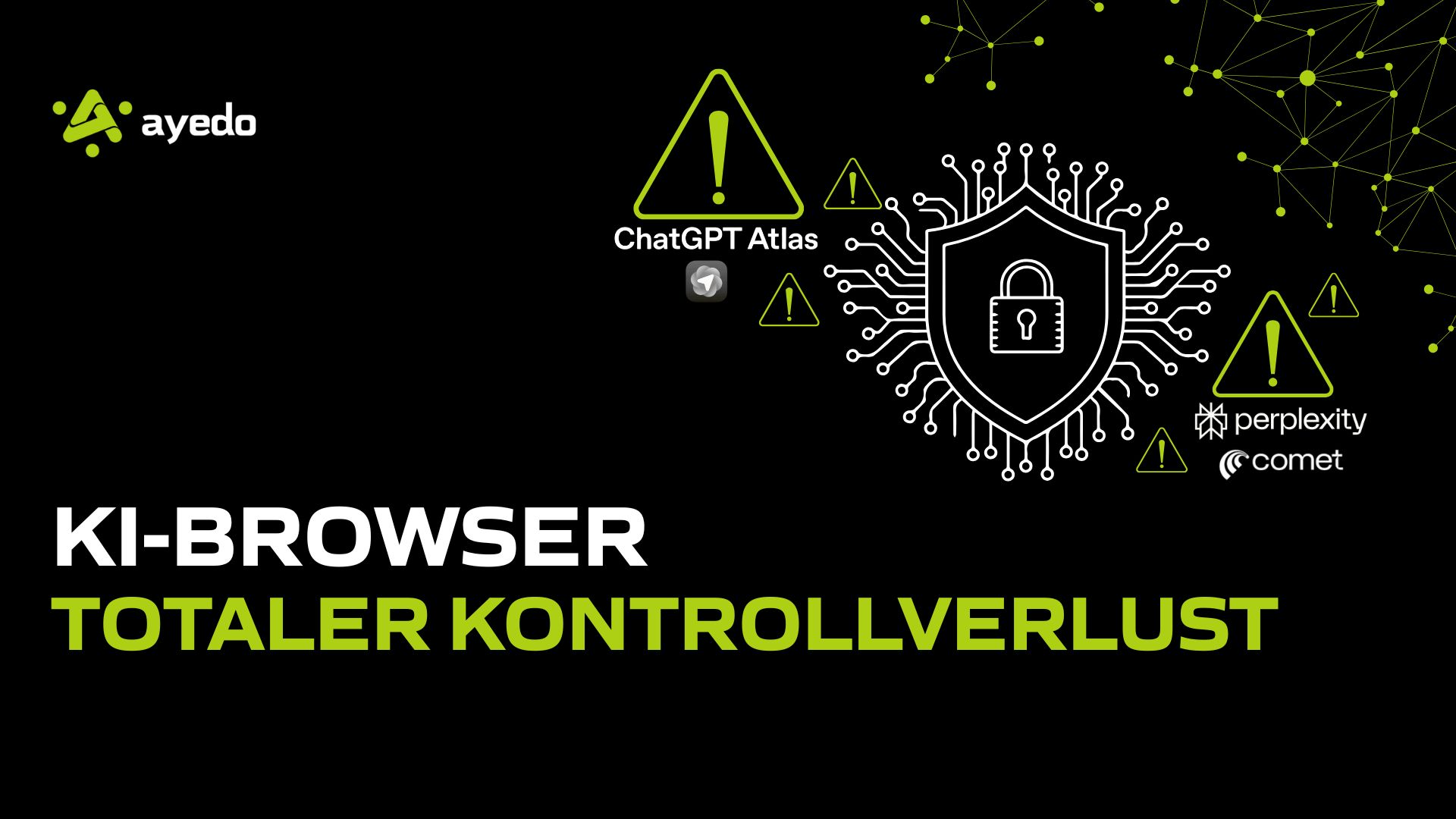
The introduction of AI browsers like OpenAI's ChatGPT Atlas and Perplexity Comet marks the beginning of a new era in human-computer interaction. These tools promise to redefine not just browsing, but the entire online task execution by understanding the web and performing autonomous actions. However, these groundbreaking capabilities pose fundamental challenges to our existing security architectures. For those of us in the IT industry, these new "agents in the browser" are not mere features but critical, novel attack vectors.
Deploy, Monitor, Observe: The final steps in the delivery workflow
Build, Package, Secure: The first steps in the delivery workflow
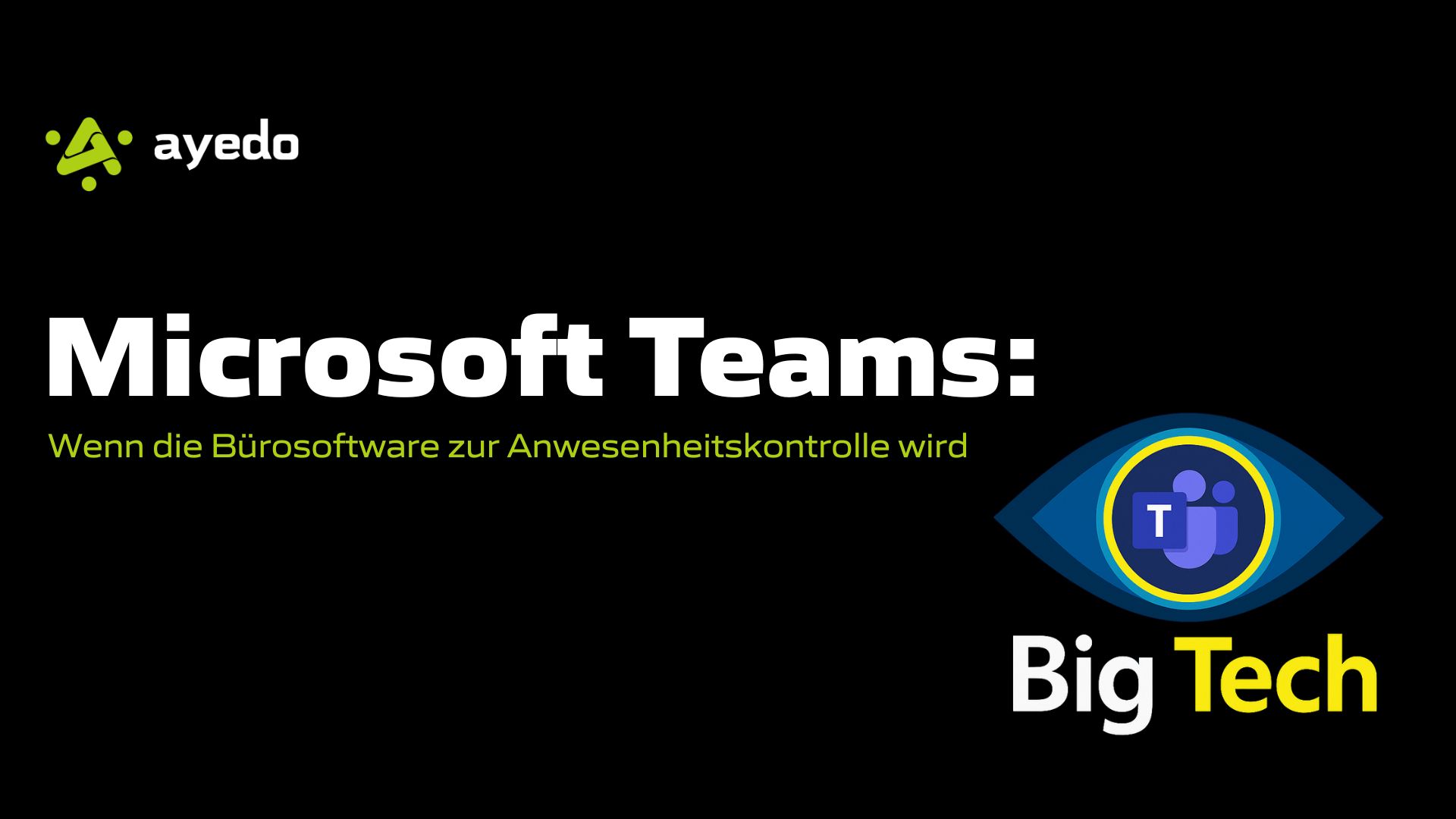
Starting December 2025, Microsoft will enhance its collaboration platform Teams with a feature that automatically detects the actual work location of employees. The software is designed to determine if a user is connected to the company's Wi-Fi and infer whether they are physically in the office.

ohMyHelm: Helm Chart Generation for Python Projects

GitLab, Harbor, and ArgoCD: Modern Delivery Workflow
Disaster Recovery: Backup Strategies according to DORA and NIS-2
Kyverno: Automated Guardrails for Kubernetes Compliance
Keycloak: OAuth2, OIDC, and MFA for Zero-Trust Security