Five Key Features of Portainer
Five Key Features of Portainer 1. Docker Environments 2. Access Control 3. CI/CD Capabilities 4. …
07.05.2023
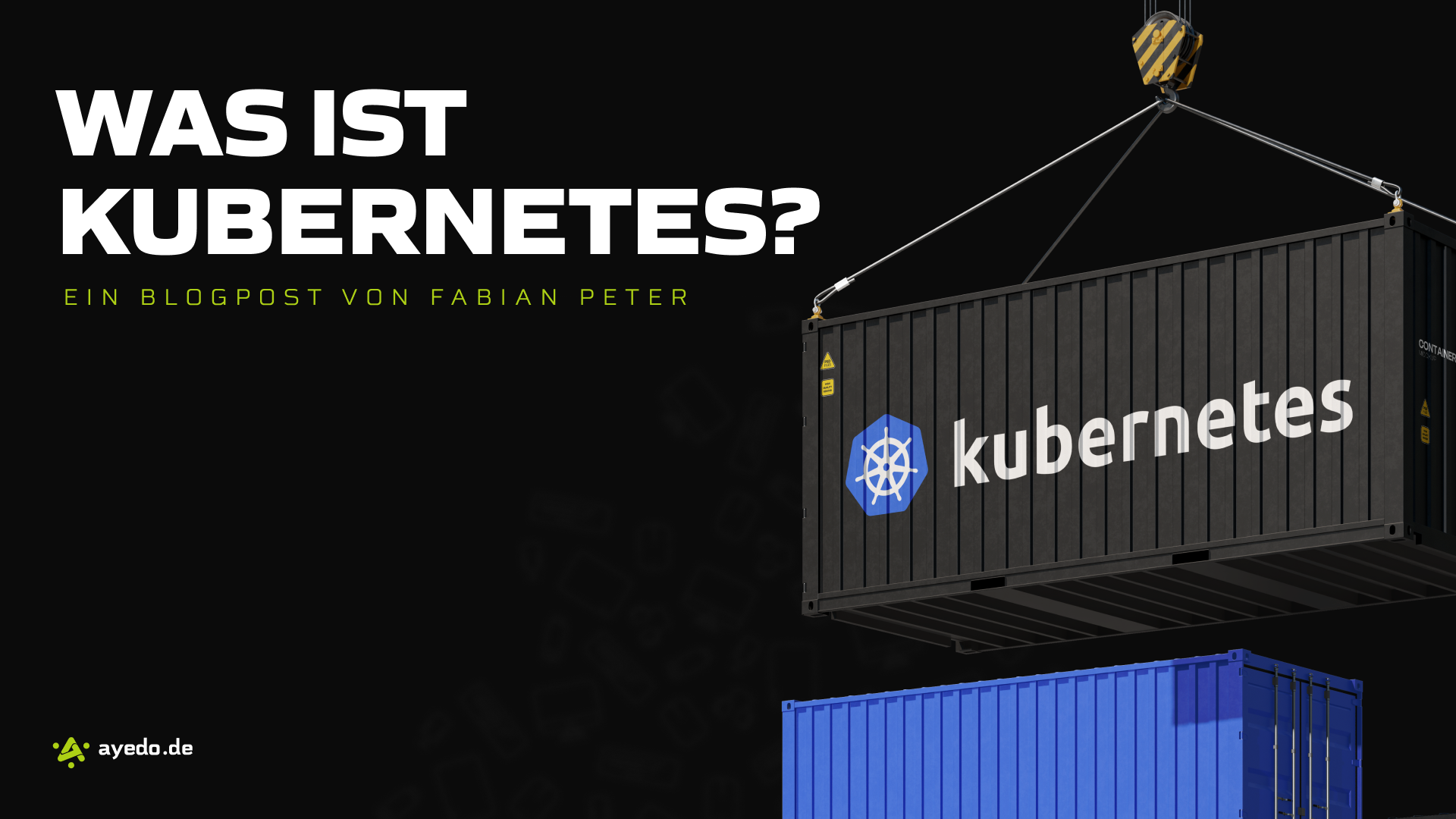
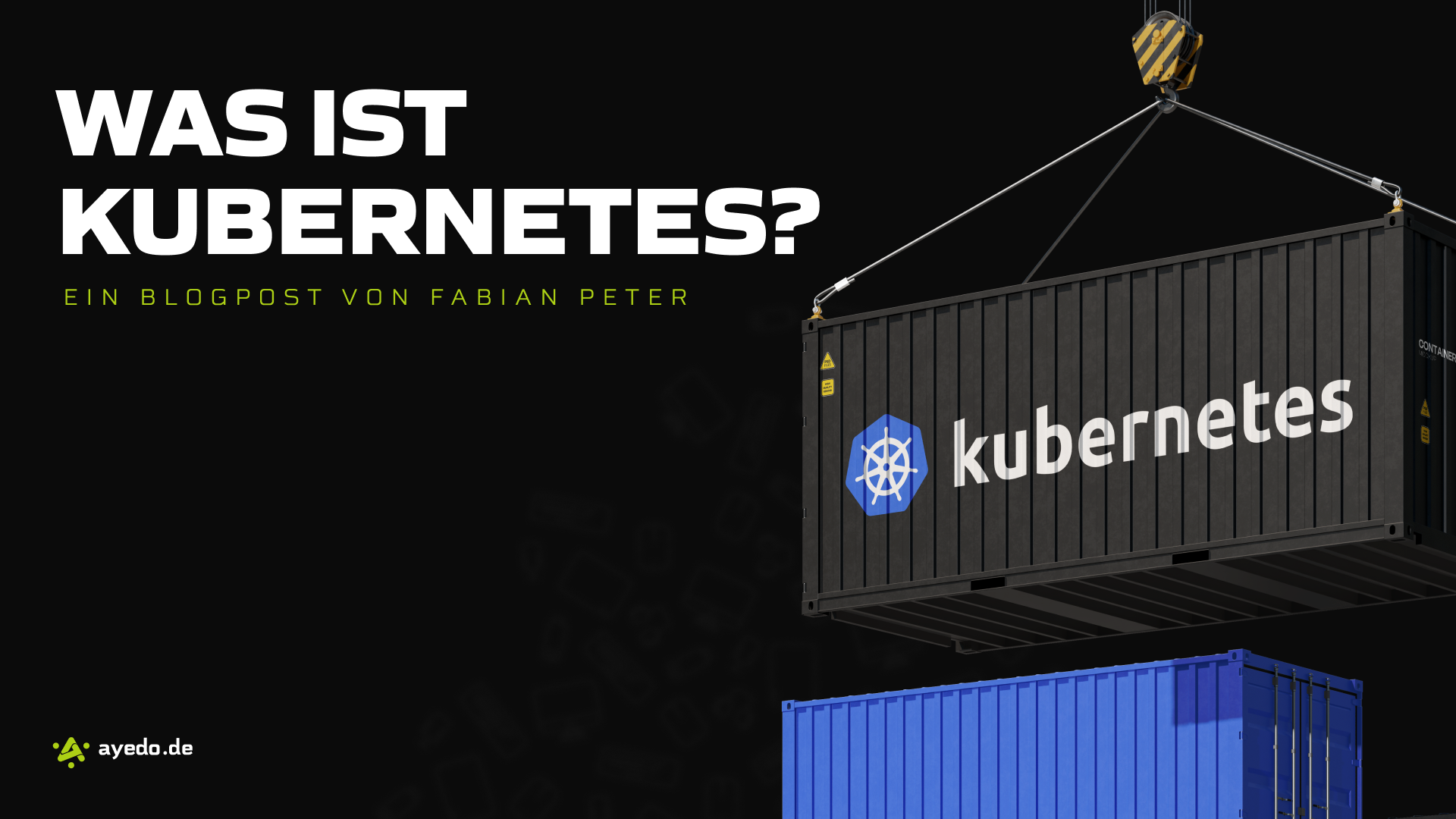
Kubernetes is a powerful open-source platform designed to simplify the management of container applications. To understand what Kubernetes is and what it is used for, it is helpful to first explain what containers are.
Containers are a type of software packaging that allows developers to bundle applications and all their dependencies into a single, isolated package. These containers are lightweight, portable, and consistent, meaning they can run consistently across different environments, regardless of the underlying operating systems or infrastructures.
Kubernetes comes into play to manage and orchestrate these container applications. Think of Kubernetes as an operating system for your containers. It manages the resources and communication between containers to ensure your applications run smoothly and efficiently.
Here are some key concepts explaining what Kubernetes is used for:
Automation of Deployment and Scaling: Kubernetes automates the process of deploying and scaling containers. This means you can configure your application once, and Kubernetes takes care of the rest—from deploying new instances of your application to scaling to handle increased user traffic.
High Availability and Fault Tolerance: Kubernetes enables the setup of highly available architectures for your applications. It can automatically restart instances of your application or switch to other healthy instances if one instance fails or becomes unresponsive.
Resource Management and Load Balancing: Kubernetes manages the resources of your applications and ensures they are used efficiently. It can dynamically allocate resources like CPU and memory to ensure your applications get the resources they need. Additionally, Kubernetes can distribute incoming traffic to your applications to ensure even load distribution.
Declarative Configuration: Kubernetes uses declarative configuration, meaning you specify the desired state of your applications, and Kubernetes maintains that state. If the actual states differ from your declarative configurations, Kubernetes automatically performs the necessary actions to align them.
Overall, Kubernetes provides a robust platform for managing and scaling container applications. It is particularly useful for companies running complex, distributed applications, as it reduces the complexity of managing these applications while ensuring high availability, scalability, and efficiency.
The term “The Operating System of the Cloud” for Kubernetes is an analogy used to highlight the role and significance of Kubernetes in the cloud computing world. To understand why Kubernetes deserves this designation, it is important to consider the functions and features of Kubernetes as well as the role of a traditional operating system.
Abstraction of Hardware and Resources:
Management of Application Abstractions:
Resource Management and Allocation:
Abstraction of Hardware and Cloud Provider Details:
Automation and Scaling:
In summary, Kubernetes is called the operating system of the cloud because it provides many of the same functions and features as a traditional operating system, but at a higher level of abstraction and on a distributed cloud infrastructure. It offers a platform for efficiently managing container applications in the cloud, independent of the underlying infrastructure or cloud provider.
Learn more about Kubernetes and its role in the Cloud Native ecosystem in the book What is Portainer? by Fabian Peter.
Five Key Features of Portainer 1. Docker Environments 2. Access Control 3. CI/CD Capabilities 4. …
Efficient management of Kubernetes clusters is becoming increasingly important, especially as …

With Kubernetes 1.32, the storage manager has officially reached General Availability (GA) status. …