

Blog
Cloud-Native Insights & Expertise

Discover our latest articles about cloud-native technologies, Kubernetes, DevOps, and modern software development. From practical tutorials to in-depth analyses.

Latest Blog Posts

Stay up to date with our latest articles about cloud-native technologies, Kubernetes, and DevOps.

1219 posts

Transatlantic Illusion – How Europe Becomes a Supplier of Data and Investment

Transatlantic Illusion – How Europe Becomes a Supplier of Data and Investment

The celebration over the recent "deal" between the EU and Donald Trump seems like a macabre staging. While Brussels publicly celebrates "planning security in uncertain times," the real power dynamics continue to shift westward – economically, technologically, politically. They speak of partnership, but what they mean is submission.

Palantir and the Police: How Surveillance Software Becomes a Threat to Civil Rights

Palantir and the Police: How Surveillance Software Becomes a Threat to Civil Rights

**Palantir in Germany** is more than just a software provider. It symbolizes a quiet shift in the state: away from democratic control, towards data-driven surveillance by external tech corporations. And right in the middle of it all—German interior ministries spending millions on a system they neither understand nor control.

Cloud First is Yesterday – Why Europe Must Finally Digitally Sovereignize

Cloud First is Yesterday – Why Europe Must Finally Digitally Sovereignize

For a long time, digital transformation was considered a technical project: faster, more scalable, more efficient. Those who ventured into the cloud early were seen as bold, modern, progressive. Today, over a decade later, we must acknowledge: The cloud is no longer just a technology topic – it is also a political question.

One Year of OZG 2.0: The Digital Administration Still Awaits Its Breakthrough

One Year of OZG 2.0: The Digital Administration Still Awaits Its Breakthrough

One year after the enactment of the Online Access Act 2.0, the results are sobering. The big promises remain, but noticeable progress for citizens and administrations is scarce. A central solution has long been on the table: **Cloud-native technologies**. The **BSI itself recommends containerization, Kubernetes, and modular architectures**—not as a fad, but as a solid foundation for a secure, scalable, and modern administrative infrastructure.

The Digital Sellout of Europe – And We're Paying for It!

The Digital Sellout of Europe – And We're Paying for It!

**70% of European companies consider their dependency on non-European technology too high.** This is not a gut feeling, but the result of the current "State of Cybersecurity Report 2025" by HarfangLab. A wake-up call. Yet, the majority of our data traffic continues to flow to where our laws end: American data centers, operated by platforms that have more in common with stock prices and geopolitical interests than with European IT reality.

End of Support for Windows 10: Why Now is the Right Time to Break Away from Hyperscalers

End of Support for Windows 10: Why Now is the Right Time to Break Away from Hyperscalers

On October 14, 2025, regular support for Windows 10 will end. What initially appears to many IT departments as a manageable maintenance date reveals itself upon closer inspection as a strategic turning point. Although Microsoft offers a one-year "Extended Security Updates" phase (ESU), the conditions reveal much about the underlying dynamics and prompt a fundamental question for companies: How dependent do we really want to be?

Hyperscaler Madness in Germany: Expensive, Binding, and Legally Negligent

Hyperscaler Madness in Germany: Expensive, Binding, and Legally Negligent

A sober look at the average IT infrastructure in German companies reveals that the technological needs are mostly manageable. Active Directory, SQL databases, an ERP system, a few virtual machines, and an email infrastructure that has been reliably serving for over a decade—this is the reality in the industrial mid-sized sector, healthcare, energy suppliers, and government agencies.

US Pressure on the EU: Is Brussels Diluting the Digital Markets Act?

US Pressure on the EU: Is Brussels Diluting the Digital Markets Act?

The European Union celebrated itself as a pioneer in regulating digital platforms. With the Digital Markets Act (DMA), it aimed to make a statement: against dominant tech corporations, for more competition, data control, and transparency. The DMA came into force in March 2024 – but barely a year later, this very European regulation is apparently up for debate. And not from Brussels itself, but from Washington.

Product Update at Loopback:

Product Update at Loopback:

On July 1st, our sister company **Loopback** released a comprehensive update to their cloud platform—a significant step towards more powerful, secure, and user-friendly Kubernetes infrastructures. Whether it's new storage options, enhanced management features, or targeted UI optimizations, the release addresses key requirements of modern IT teams.

Progress Through Clarity:

Progress Through Clarity:

The European AI Regulation (AI Act) is a milestone: It creates a unified legal framework for the development and use of Artificial Intelligence in the EU for the first time. The goal is to enable innovation while minimizing risks to society, the economy, and fundamental rights. However, implementing this complex regulation poses significant challenges for companies. This is where the new **AI Service Desk of the Federal Network Agency** comes into play.

Kubernetes as a Key Technology for Implementing the OZG in Saarland

Kubernetes as a Key Technology for Implementing the OZG in Saarland

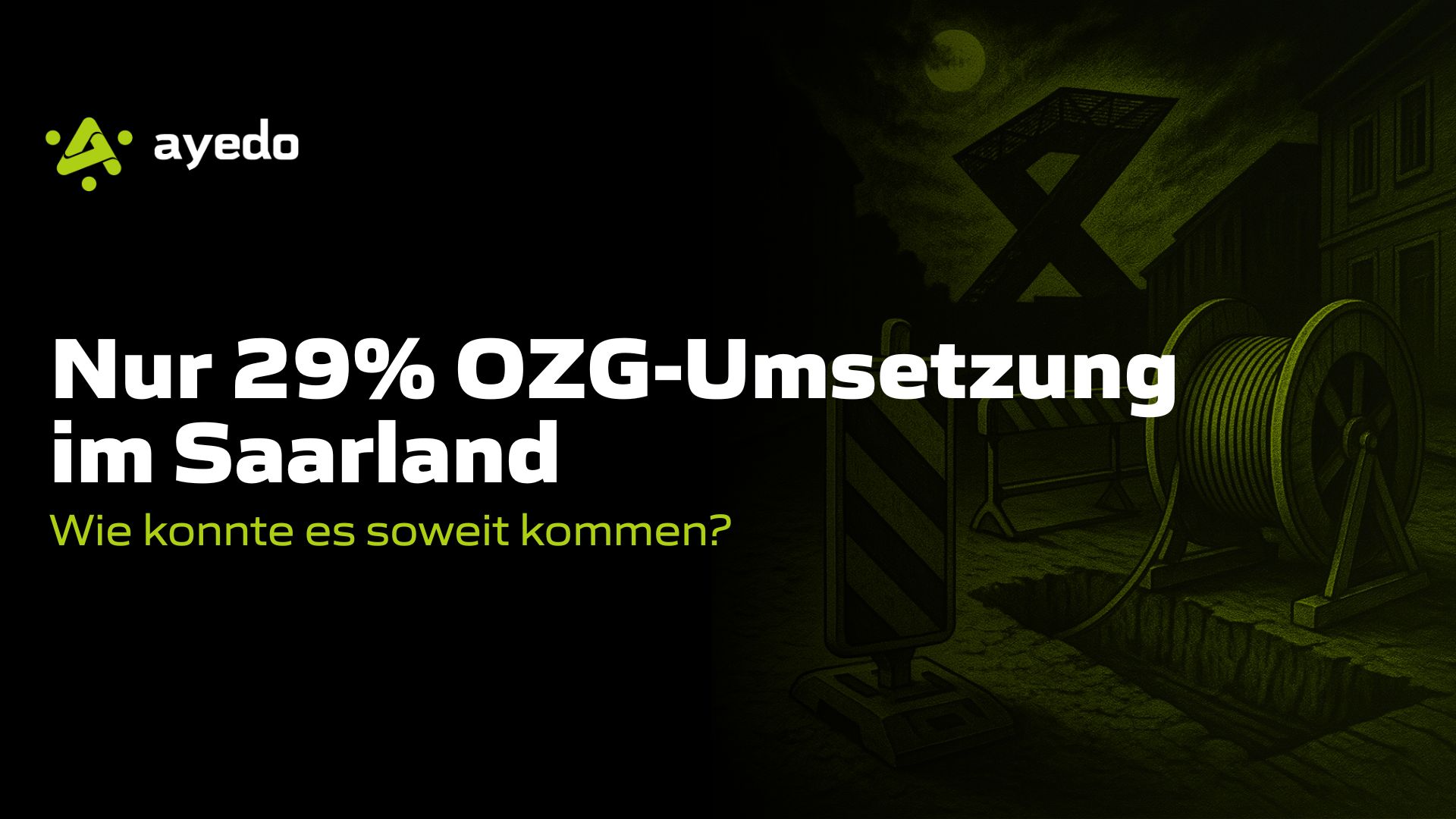
Digital administration in Saarland is at a standstill. Only 29% of administrative services have been digitized under the Online Access Act (OZG) according to the Bitkom Länderindex, placing it last in the national comparison. Yet, there is no shortage of skilled professionals: the proportion of computer science trainees and students is above average. So, what is the issue?

Only 29% OZG Implementation in Saarland: How Did It Come to This?

Only 29% OZG Implementation in Saarland: How Did It Come to This?

Saarland ranks last in the current Bitkom Länderindex 2024 in the "digital administration" category. Only 29% of the digital administrative services required by the Online Access Act (OZG) have been implemented. In comparison, the leader Hamburg achieves 63%, while the national average is about 50%. The results for Saarland are sobering and raise fundamental questions about the state's digital strategy.

Sovereign Washing 2.0

Sovereign Washing 2.0

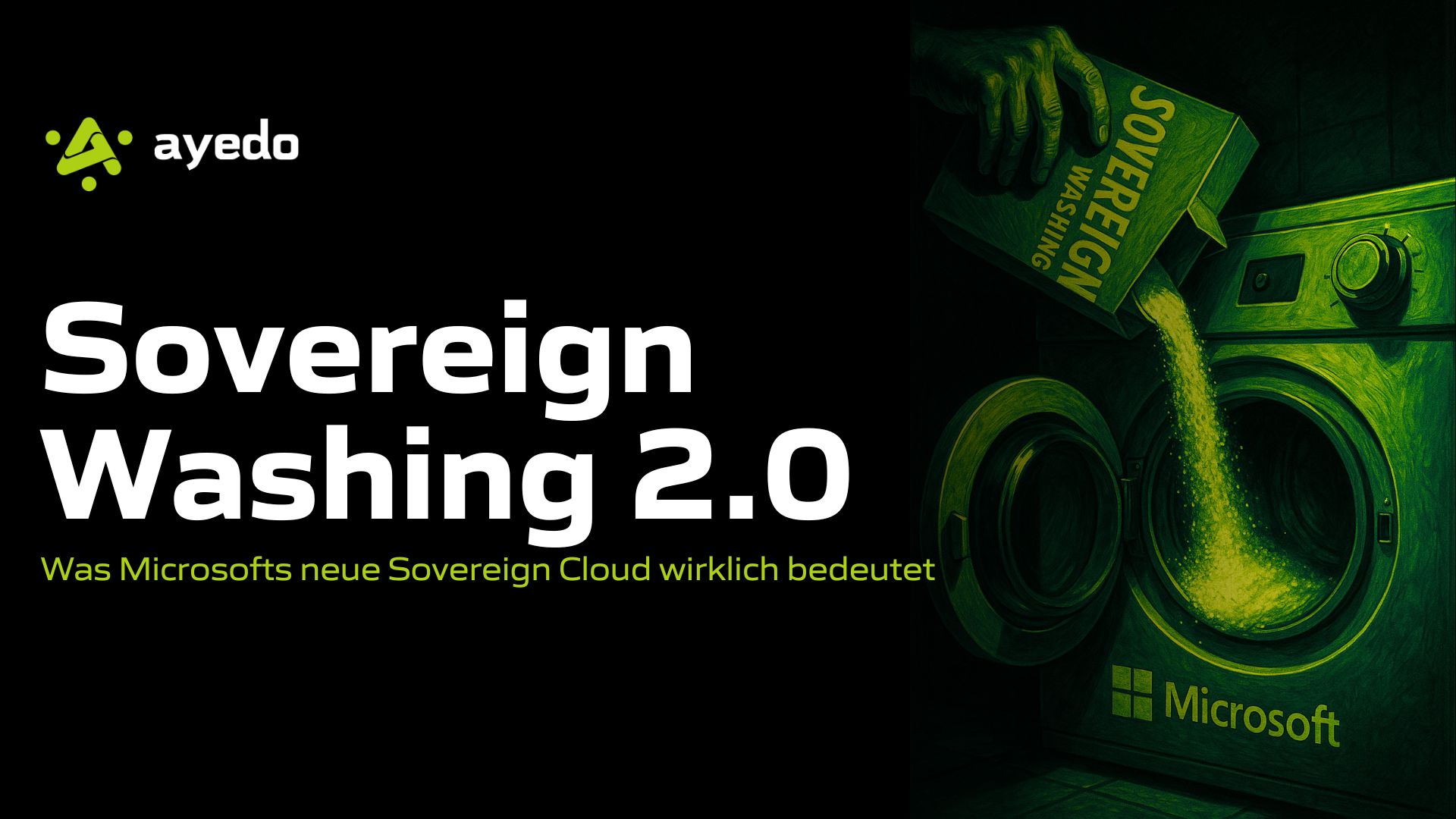
With the updated Sovereign Cloud roadmap from June 2025, the corporation responds to geopolitical tensions, European data protection requirements, and increasing regulatory pressure. New products like "Data Guardian," "EU Data Boundary," or "Microsoft 365 Local" aim to provide control and transparency for European customers.