Nextcloud & IONOS Challenge Microsoft
Why this alliance is a turning point for Europe’s digital self-determination The headline may …
25.06.2025
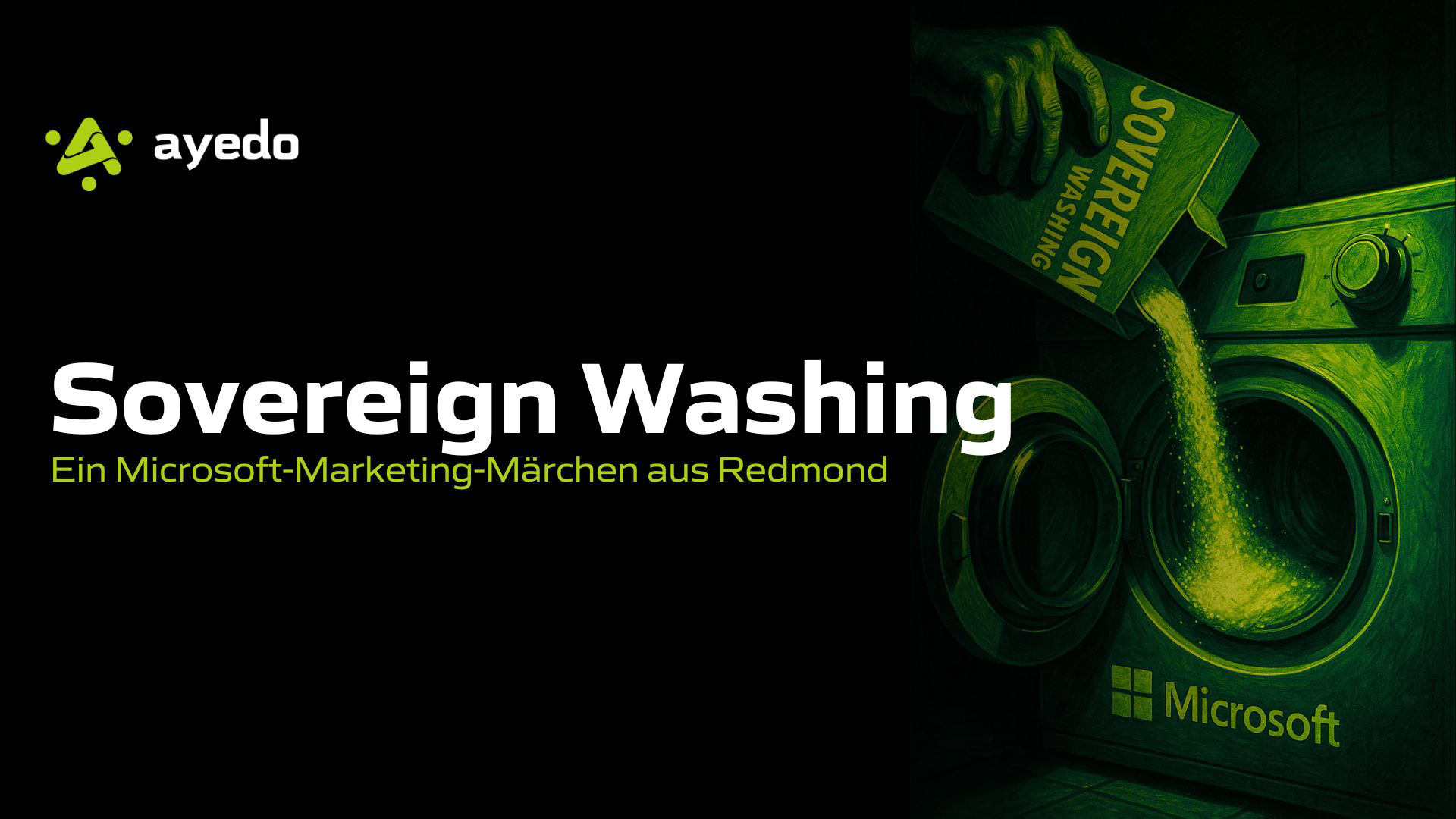
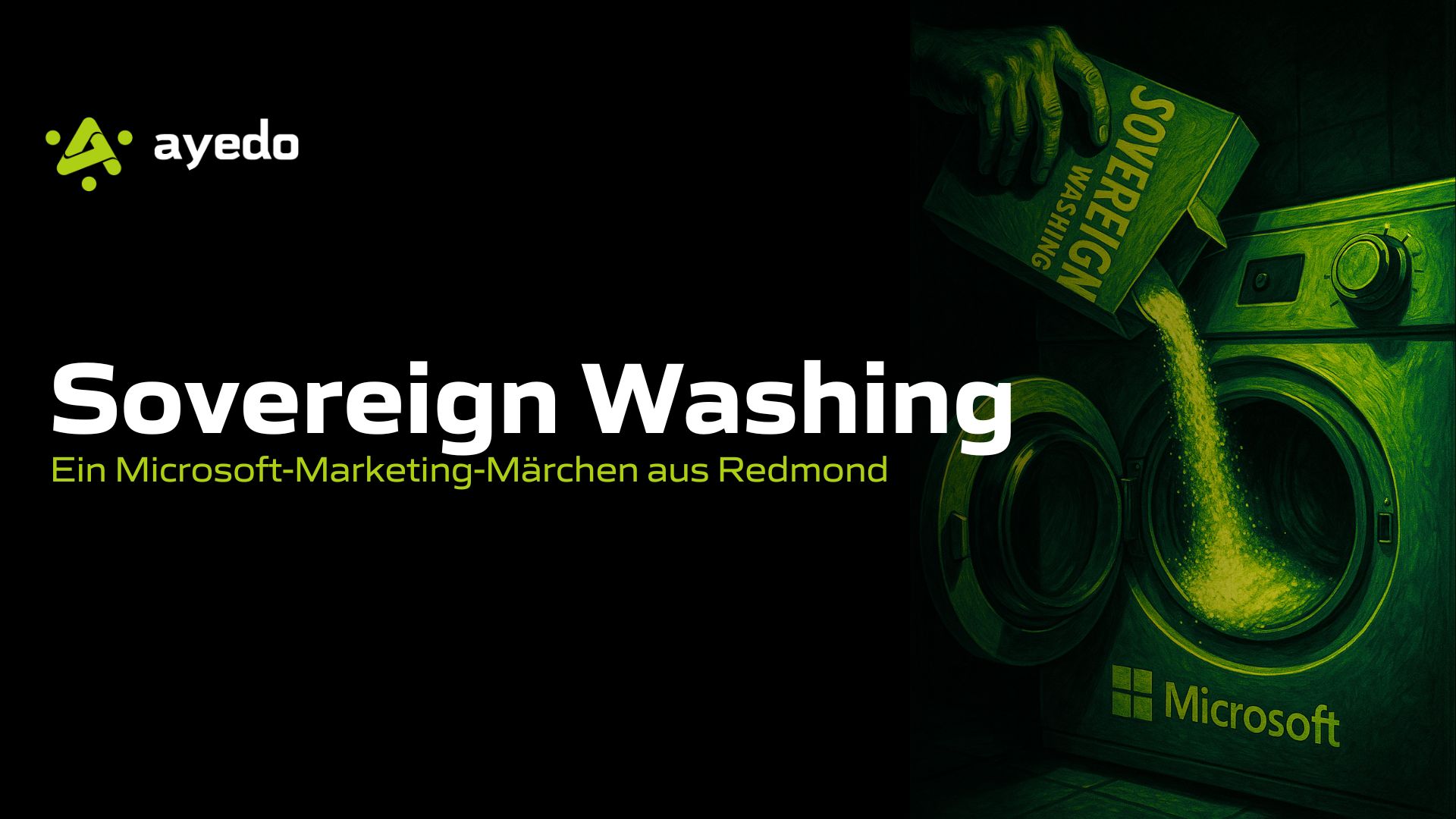
Satya Nadella introduced a new “Sovereignty Program” for European Microsoft customers in Amsterdam. Three cloud models, Hardware Security Modules (HSMs), European support, and partners like Utimaco are intended to build trust. What sounds like a European security initiative is, upon closer inspection, a sophisticated PR strategy to calm an increasingly skeptical market—and a distraction from the real threat: the American CLOUD Act.
Since 2018, the CLOUD Act requires all US companies—including Microsoft—to hand over data to US authorities, even if stored in data centers outside the USA. The legal logic: the company’s headquarters matter, not the storage location. And: this handover can occur without a court order. Even more problematic: companies are prohibited from informing their customers about these accesses—a so-called “Gag Order.”
This means: anyone using Microsoft services—no matter how “sovereign” the label—is always subject to access by US authorities. Technical precautions like HSMs or BYOK (Bring Your Own Key) do not change this, as Microsoft can access the keys indirectly or directly, for example, through Key Management Services or by obliging hardware partners to cooperate with US investigators.
The new options like HSM deployment or own key management suggest control—but in reality, it’s an illusion:
| Protection Measure | Reality under the CLOUD Act & FISA 702 |
|---|---|
| BYOK (own keys) | Microsoft can be forced to hand over the keys |
| HSM (own hardware) | HSM certification partners are partly US-bound |
| European Support | Access can occur remotely by US order |
| “Data Guardian” | Access is documented—not prevented |
The attempt to at least create access transparency through the “Data Guardian” seems helpless: once access is granted, previous security measures can be bypassed. Protection here is at best retrospective.
Microsoft emphasizes that it will sue US authorities if European data is endangered. Yet the company has no legal leverage to override US laws like the CLOUD Act. The assurance to sue is at best a symbolic act. It does not replace legally secure, technical protection.
And even if Microsoft resists: the data could already have been passed on—without the customer’s knowledge. A legal aftermath is then little consolation.
The only effective response to these pseudo-solutions is digital sovereignty through European infrastructure and providers that are not subject to the CLOUD Act or FISA 702. Only providers with European headquarters, European infrastructure, and complete independence from US companies can offer real protection.
Microsoft’s new programs appear as progress. In truth, they are a painted compliance cage—nice to look at, but opaque power structures remain. Those who take digital sovereignty seriously need no pseudo-protection promises but real independence.
The continuation of this strategy is evident in Sovereign Washing 2.0, where Microsoft sells further cosmetic improvements as real sovereignty. Instead, companies should consider real European alternatives or a Cloud Exit. For critical applications, sovereign cloud solutions offer the necessary legal security.
Why this alliance is a turning point for Europe’s digital self-determination The headline may …
A senior investigator of the International Criminal Court loses access to his emails – because a US …

The European debate on “sovereign AI” is often reduced to regulation, data protection, …