Weekly Backlog 43/2025
“When Tenders Time Out and AWS Gets the Hiccups” Editorial This week demonstrated how …
16.10.2025
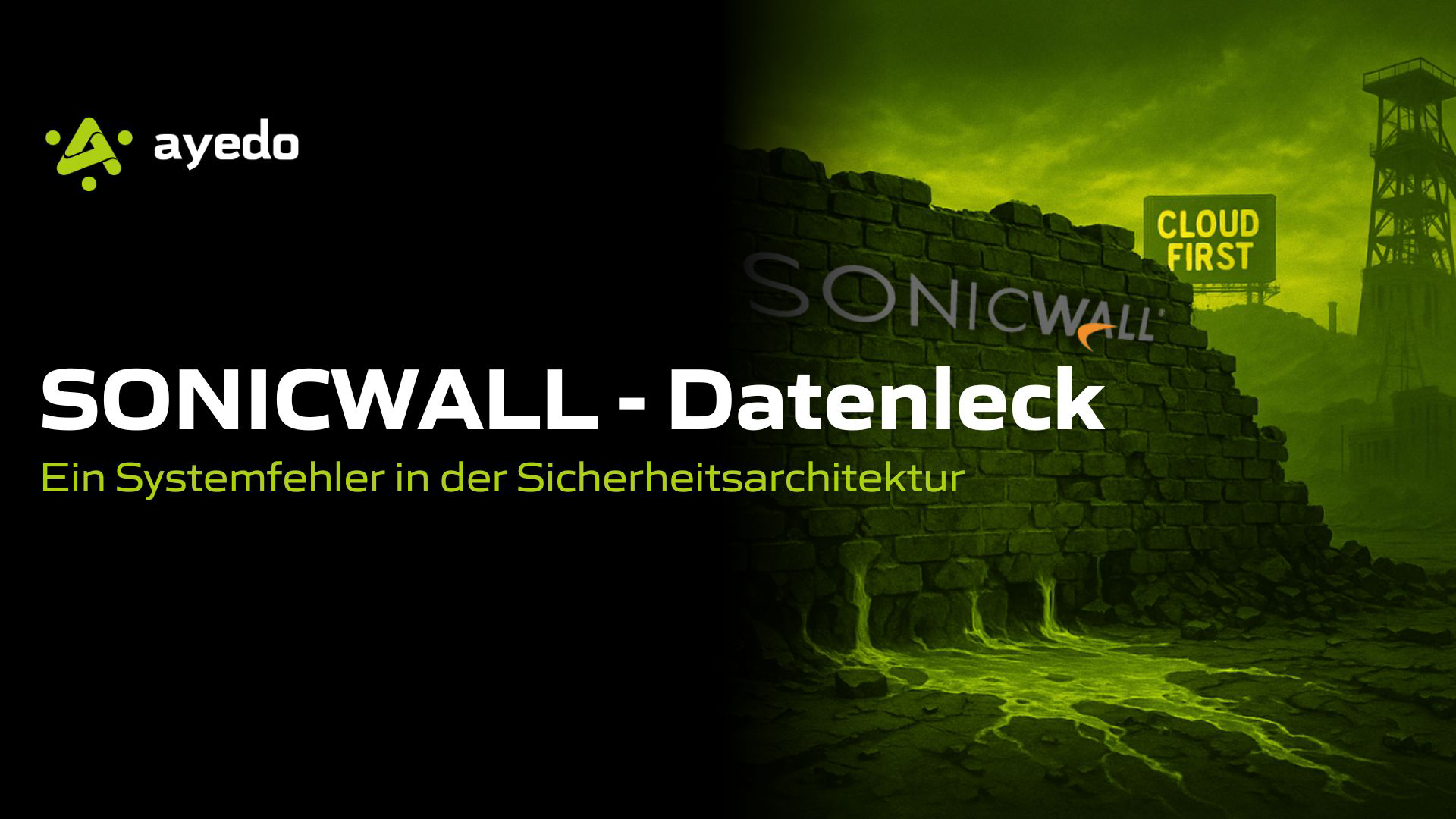
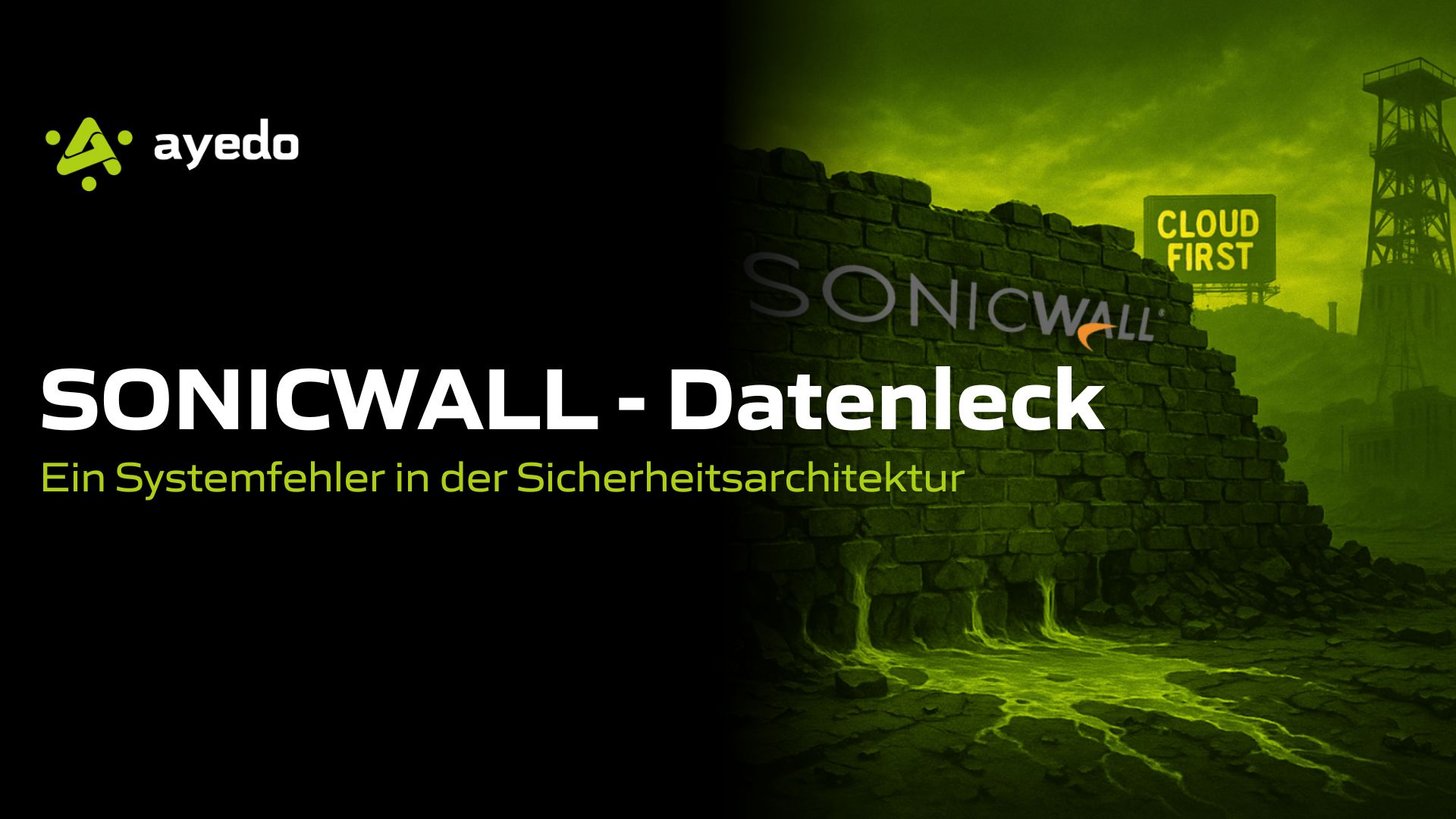
What initially seemed like a manageable incident has now officially turned into a complete loss of control: The firewall manufacturer SonicWall has confirmed that all cloud backups of all firewalls have been compromised—contrary to the initial statement that only about five percent were affected. This incident impacts all customers who had activated the optional cloud backup feature for their firewall configurations.
The urgency lies not only in the scope of the leak but in the nature of the affected data: The stolen backups consist of complete configuration files of productive network security solutions—including routing information, VPN tunnels, port forwarding, authentication mechanisms, rules, and potentially stored access information.
SonicWall is facing a complete security and communication breakdown. A firewall manufacturer’s fundamental role is not only to provide protective mechanisms but also to instill trust in their integrity and availability. Those who sell network security as a service must exemplify in their own architecture what they preach to customers: segmented systems, minimal attack surfaces, and consistent isolation of critical data.
However, with the central cloud backup service, SonicWall has established the exact opposite: a Single Point of Failure that, when successfully attacked, leads to the massive exfiltration of highly sensitive configuration data—with potentially devastating consequences for networks worldwide.
According to Heise and other sources, the stolen data is already circulating. The ransomware group Akira and other actors are reportedly targeting companies whose SonicWall configurations are now publicly accessible. Attackers thus not only know how a network is structured but also where its weaknesses lie.
This enables targeted attacks on vulnerable services, inadequately secured remote accesses, or misconfigured VPN tunnels—with enormous potential for damage.
Companies that have used the SonicWall cloud backup service are now required to review their entire security infrastructure:
SonicWall provides a playbook detailing how to analyze and mitigate the security situation. Administrators should not rely on generic recommendations but actively work with their security team on a customized plan.
The cause of this incident lies less in the specific vulnerability and more in the overarching architectural decision: Cloud backups of security components carry inherent risks that, in the event of a leak, directly impact the entire infrastructure. Centralized management of configurations via manufacturer portals may be convenient—but it is only justifiable if the protection of these systems adheres to the same standards as the products themselves.
Cloud security is not an add-on but a matter of fundamental architecture. Manufacturers offering cloud-first solutions must prove that their cloud can withstand what it promises in critical situations—not just technically, but also in terms of risk management.
“When Tenders Time Out and AWS Gets the Hiccups” Editorial This week demonstrated how …
Weekly Backlog Week 41/2025 Digital Identity, Sovereign Administrations, and the Unbreakable …

On October 5, 2025, it was revealed that an external support provider for the platform Discord was …