Building OZG Software is One Thing. Building OZG Software is One Thing.
OZG Implementation: Software Alone is Not Enough The Online Access Act (OZG) obliges the federal …
03.06.2025
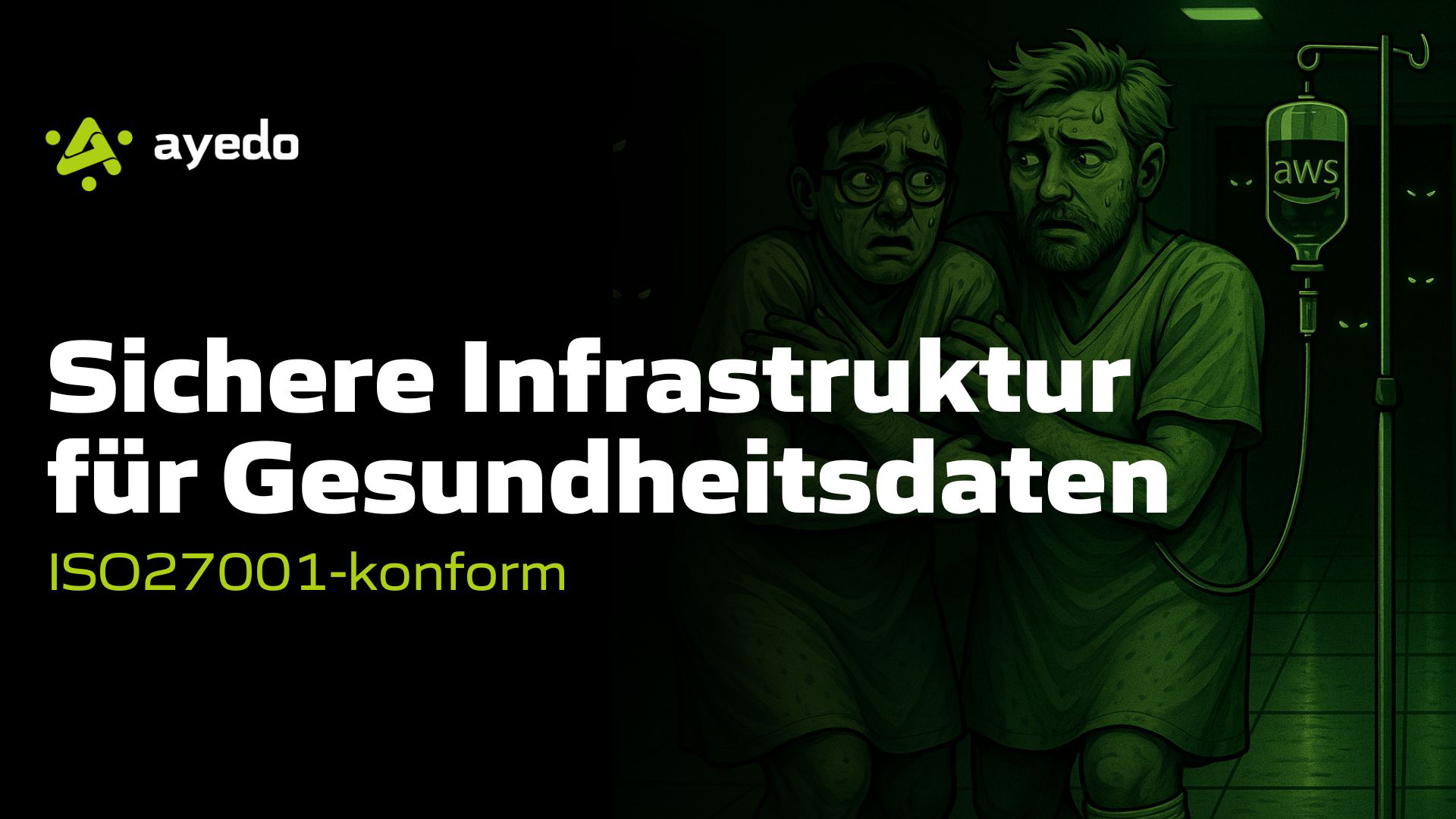
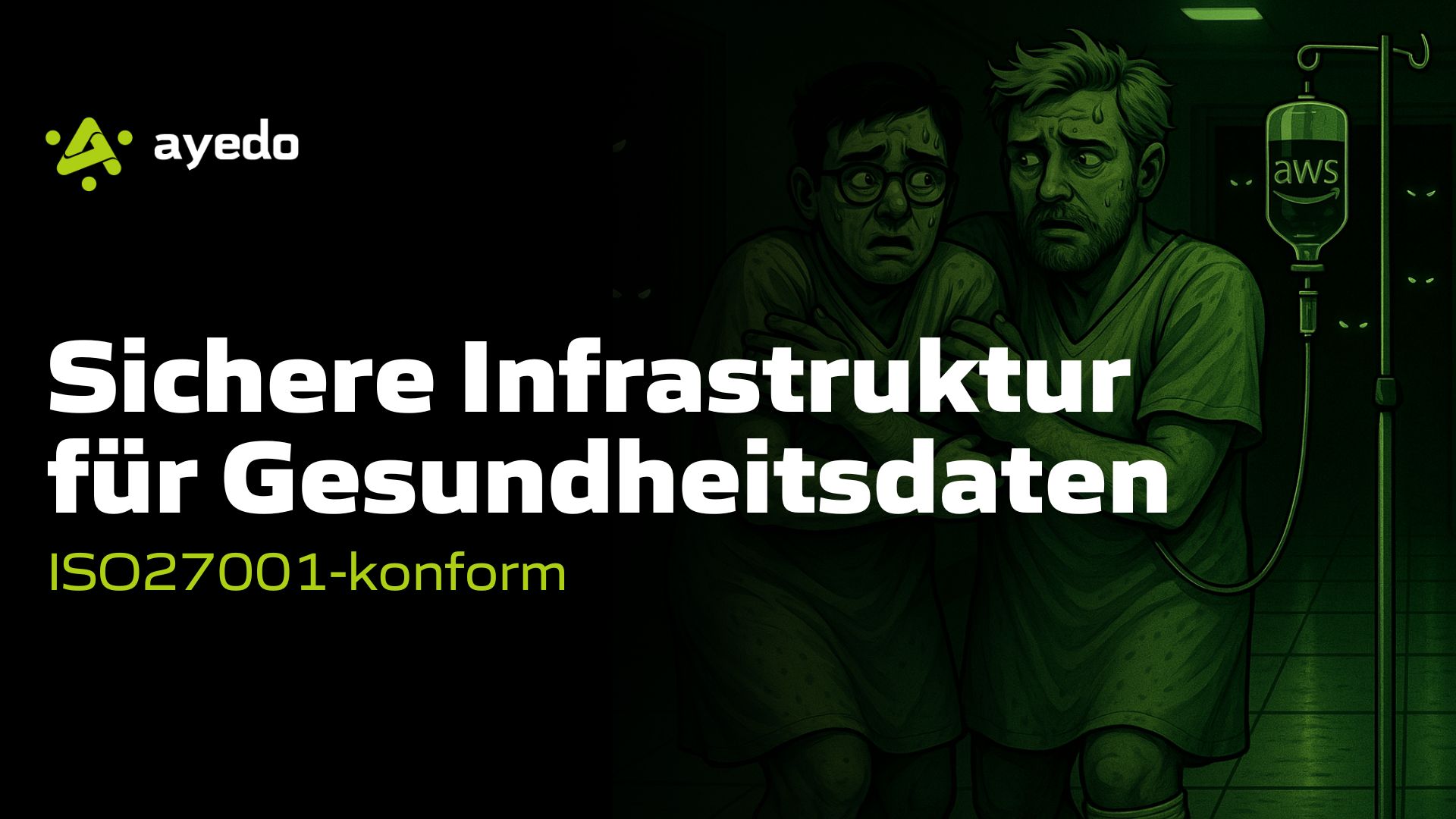
Processing health data fundamentally differs from traditional corporate IT. It involves not just personal data, but highly sensitive information as defined by Article 9 of the GDPR. Diagnoses, lab results, therapy progress, medication plans, imaging data, and treatment documentation are extremely sensitive. A technical error, security incident, or inadequately secured operational process not only jeopardizes business processes but also the integrity of individuals.
The requirements for infrastructure that operates such systems far exceed those of traditional web or SaaS platforms. This is where operational sovereignty distinguishes itself from mere software projects.
Most discussions revolve around encryption, pseudonymization, encryption in transit, and secure authentication. All correct. But without stable, well-controlled, auditable, and regulated infrastructure operations, all of this remains mere cosmetics.
Even perfectly encrypted data is of little help if:
In medical IT, it’s about more than just availability. It’s about complete transparency over all system states, permissions, maintenance activities, and incidents. Nothing can be “approximately right” here.
ISO27001 is more than a certificate for bid documents. It defines the technical and organizational foundation on which secure systems are operated.
| Area | Relevance for Health Data | Implementation at ayedo |
|---|---|---|
| Access Management | Traceable control of all administrative and professional accesses | Audit-proof logging of all access and permission changes |
| Key Management | Secure, segregated key material for data encryption | Separate key management per client, fully documented key rotation |
| Change Management | Changes must not produce uncontrolled side effects | GitOps-based deployments, complete change logs, rollback capability |
| Incident Management | Fast, documented response to incidents | Standardized incident handling, 24/7 monitoring, documented response processes |
| Backup & Recovery | Data restoration must be reproducible and fully tested | Planned, tested recovery scenarios, multiple redundant backup locations |
| Network Segmentation | Separation of sensitive data streams and admin accesses | Micro-segmentation, strict separation of operational, admin, and data transit paths |
| Operation under European Jurisdiction | Protection against third-party access under non-European law | Infrastructure exclusively in European data centers under EU law |
As soon as infrastructure components lie outside one’s control, significant risks arise in this area. Platform providers with globally distributed control planes, shared responsibility models without full access to audit logs, or key management systems centrally operated by third parties are in direct conflict with the demand for complete traceability of data processing.
Those operating systems for health data need no platform promises, but technical reality: control, transparency, and complete documentation of operational processes.
In medical IT, operations determine security. Not the marketing brochure, not the whitepaper. But the clean technical mapping of all processes — from deployment to recovery. ISO27001 provides the foundation for processing health data on an infrastructure that is also sustainably viable from a regulatory standpoint.
This is precisely what we have aligned our Enterprise Cloud with. Our ISO27001-certified operations guarantee the secure processing of sensitive data.
OZG Implementation: Software Alone is Not Enough The Online Access Act (OZG) obliges the federal …

In most discussions about the Cloud Act, the focus is solely on data location. Data center in …
The CLOUD Act allows US authorities to access European data, conflicting with the GDPR. Learn how …