Secure Infrastructure for Health Data — ISO27001 Compliant
Health Data is a Special Case — Both Technically and Regulatorily Processing health data …
03.06.2025
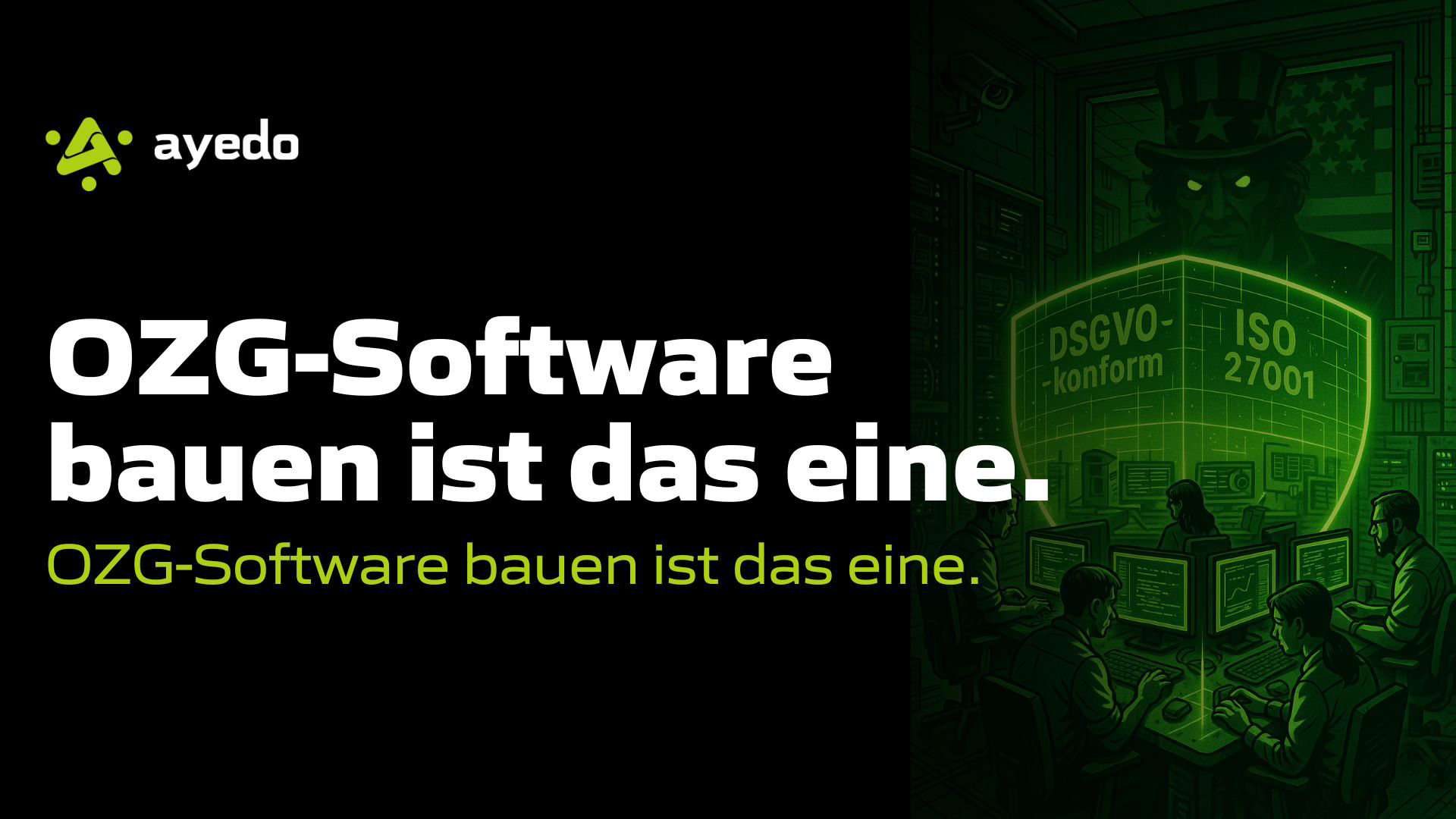
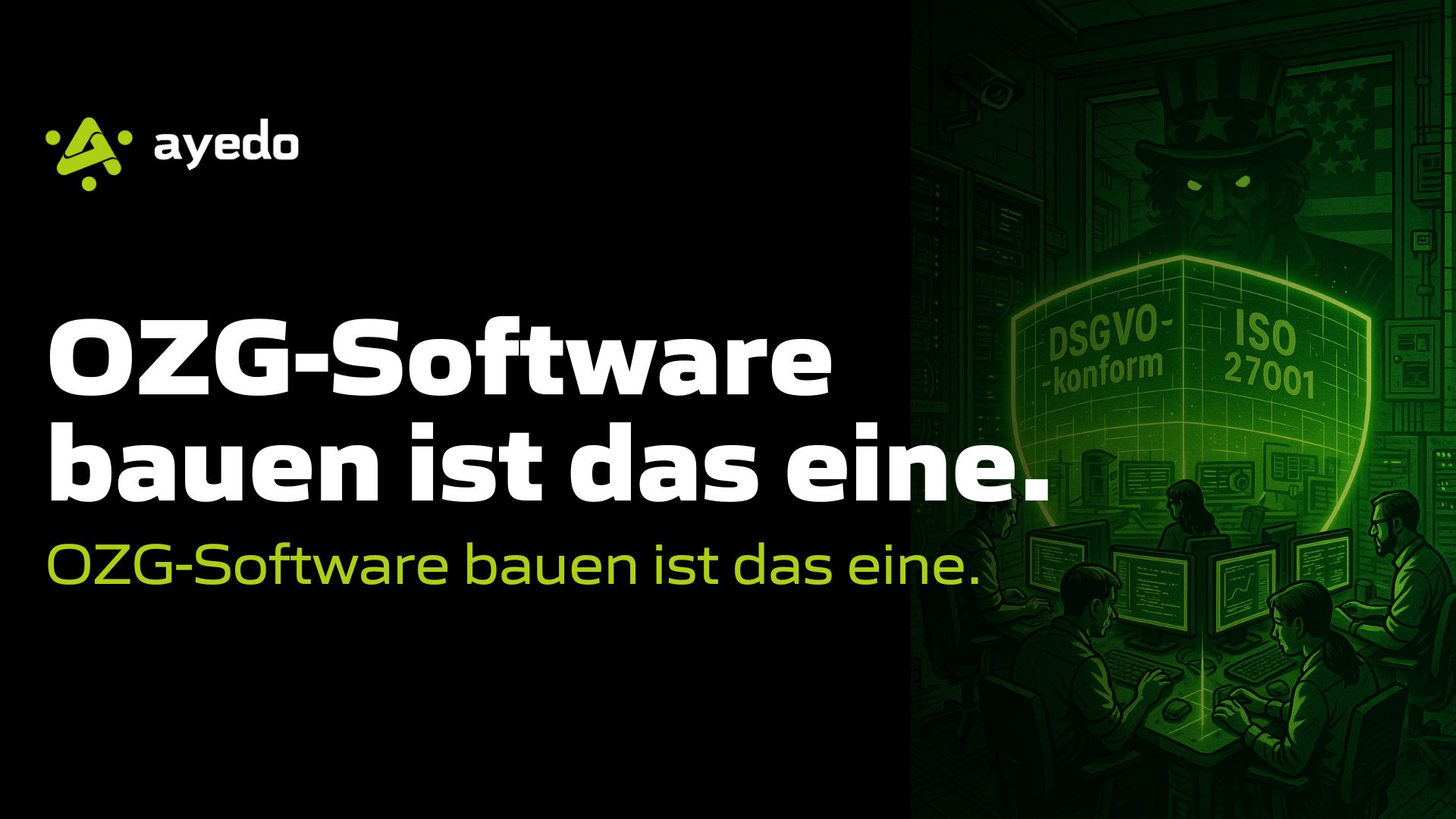
The Online Access Act (OZG) obliges the federal government, states, and municipalities to make administrative services digitally available. On paper, this sounds like software projects. In practice, it’s no longer just about the application.
The key to feasibility is how the underlying infrastructure is operated. Authorities no longer expect mere development partners but operational concepts that secure the entire service chain: processing of personal data, processing of registration data, register access, identities, interfaces, compliance, and auditability.
And this is precisely where the demands are rapidly increasing.
Once software is deployed productively in the OZG environment, a whole series of additional requirements come into play, often underestimated by software developers:
The real challenge lies less in the development of the specialist applications themselves but in what must run stably, traceably, and auditably afterward.
At this point, infrastructure suddenly becomes a bottleneck. Those who cannot provide their own ISO27001-compliant operational environment will not be able to deliver in the long run. Authorities demand not only functioning applications but documented security architectures, lived processes, regular audits, and transparent evidence.
ISO27001 is not just a certificate appendix for offer documents but the technical foundation for traceable and auditable operational models in the public sector. It defines, among other things:
These requirements can only be operationalized cleanly if the platform is designed accordingly.
We provide an infrastructure for these requirements that is consistently ISO27001-certified. It’s not about “Cloud” as a platform marketing term, but about precisely controlled operational environments that meet the following criteria:
In short: An operational environment precisely tailored to what is permanently required in the OZG environment.
The real challenge in OZG projects is no longer solely in the development of specialist applications but in the ability to operate these applications securely, traceably, and auditably in the long term.
Those who develop software for the public sector need not only development teams but a robust operational concept that withstands regulatory requirements in the long term.
This is exactly where we provide the technical foundation to implement these operational models securely and controlled — without platform dependencies, without gray areas, without international compromises.
Health Data is a Special Case — Both Technically and Regulatorily Processing health data …
Saarland ranks last in the current Bitkom Länderindex 2024 in the “digital …
Cyber risks are increasing. Requirements are rising. And to be taken seriously as an IT service …