
Weekly Backlog Week 46/2025
Editorial Digital sovereignty used to be a tech topic. In 2025, it’s power politics: Whoever …
10.11.2025
Title: OpenAI and Nvidia: $100 Billion for the AI Arms Race
Markdown-Content:
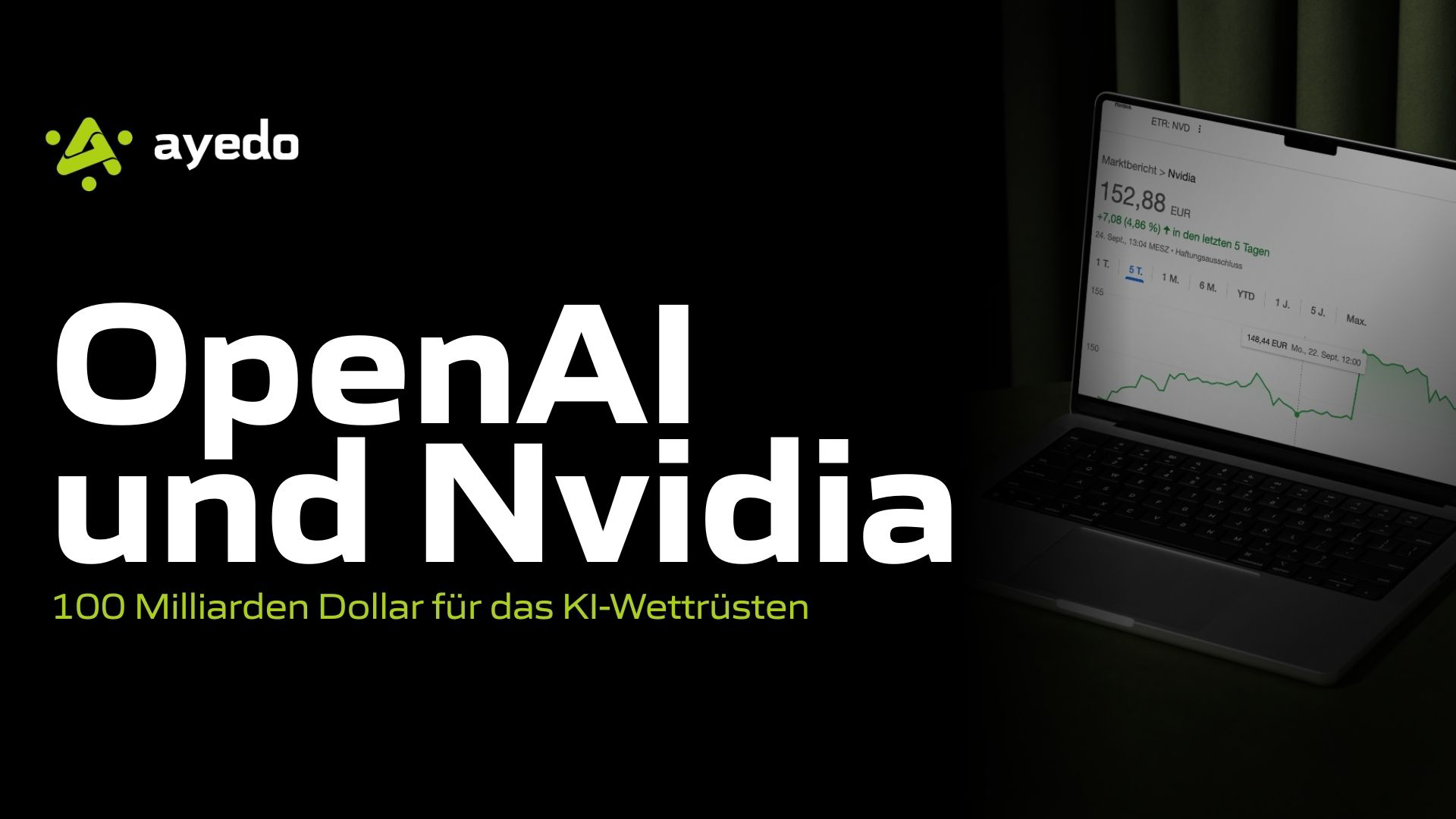
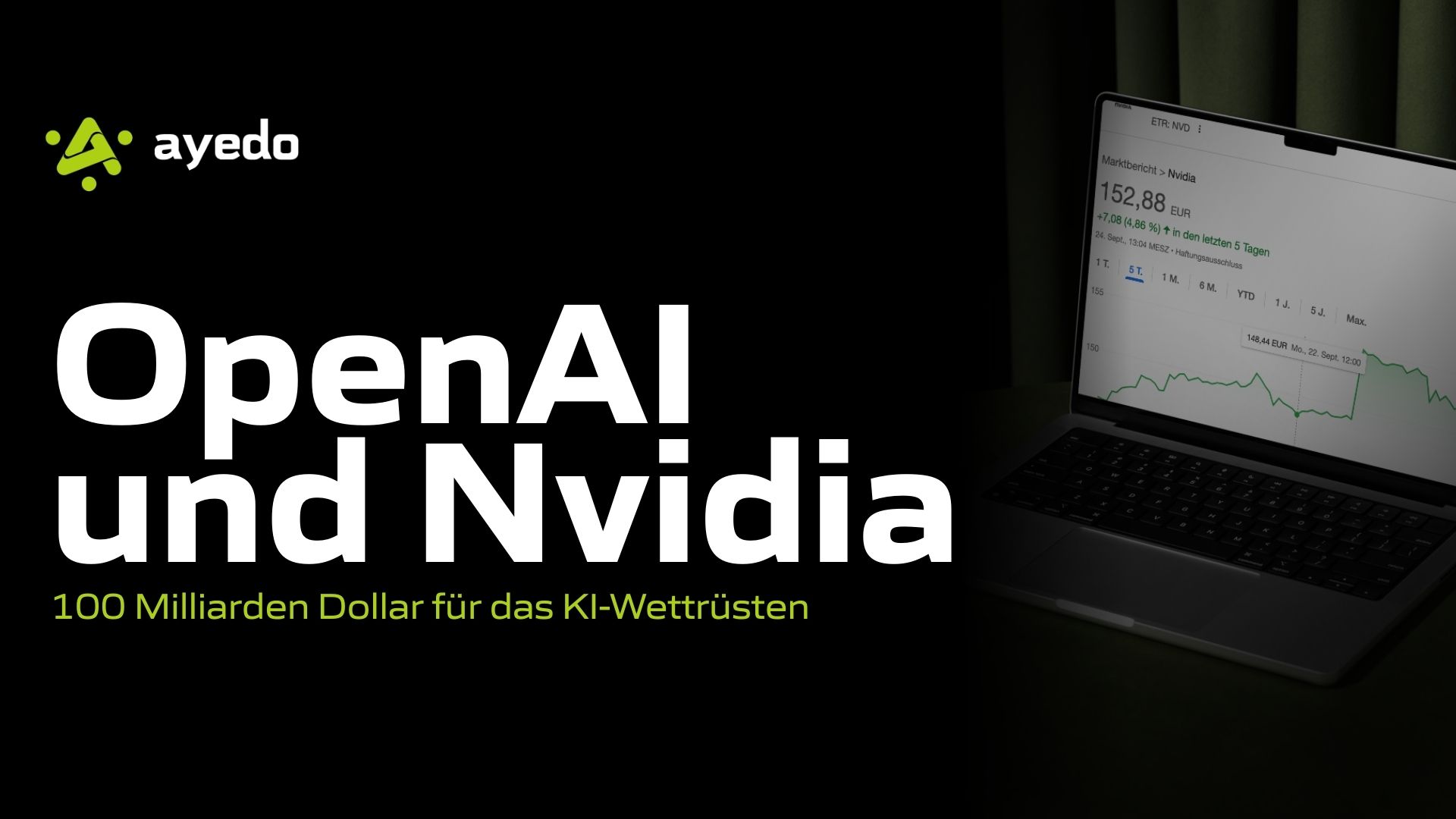
The Reuters report is making waves: Nvidia plans to invest up to $100 billion in OpenAI. A move that impresses not only by its sheer scale but also by the structure of the deal. Nvidia aims not only to provide capital but also to supply the necessary hardware—thus securing the foundation for OpenAI’s future data centers.
Specifically, the agreement stipulates that OpenAI will deploy at least 10 gigawatts of Nvidia systems. This equates to the energy needs of over eight million US households. It is already clear: The construction and operation of these data centers will set new standards—both technically and economically.
The investment occurs in two phases: Initially, Nvidia acquires non-voting shares in OpenAI. Subsequently, a large portion of the capital flows back immediately—in the form of chip purchases from Nvidia. Analysts are therefore calling it a “circular deal,” which, while economically understandable, could also be competitively sensitive.
For OpenAI, the partnership means planning security: access to the most powerful chips on the market to develop and globally roll out next-generation models. For Nvidia, it is a safeguard of its dominance in AI hardware. With OpenAI as a flagship customer and financial involvement, the symbiosis between chip and model provider becomes even closer.
The parallels to Microsoft’s billion-dollar investments in OpenAI are unmistakable. However, while Microsoft primarily brings software integration and Cloud infrastructure into play, Nvidia’s contribution is computing power. Together, they form an alliance that increasingly pressures other providers like AMD, Google DeepMind, or Anthropic.
The size of the deal makes antitrust scrutiny almost inevitable. As early as 2024, US authorities announced they would closely examine the roles of Microsoft, OpenAI, and Nvidia in the AI ecosystem. The fact that a single chip manufacturer and a dominant model provider are so closely intertwined raises questions about market transparency, the competitiveness of alternatives, and ultimately, the freedom of innovation.
The move underscores that the AI industry is heading towards a massive concentration process. The larger the computing requirements, the fewer companies can handle them. Access to capital and hardware thus becomes one of the decisive factors in the global AI race.
For companies investing in AI today or operating their own models, this means dependencies on a few providers will intensify. Alternative strategies—such as building their own infrastructures or using open, sovereign technologies—are gaining importance if one does not want to be entirely trapped in the logic of the “big players.”
The $100 billion agreement between Nvidia and OpenAI marks a turning point. It not only shows the speed at which the AI arms race is escalating but also how the lines between hardware and software giants are blurring. For some, it is a milestone; for others, a warning signal: The future of AI could soon lie in the hands of a few corporations.
Editorial Digital sovereignty used to be a tech topic. In 2025, it’s power politics: Whoever …
The announcement initially sounded like just another technical partnership in the era of generative …

Title: OpenAI for Germany – Digital Sovereignty with Azure as the Foundation? Markdown-Content: On …