
Kubernetes - Managed or Manual?
Kubernetes - Managed or Manual? Should you manage Kubernetes yourself or entrust the responsibility …
27.03.2024
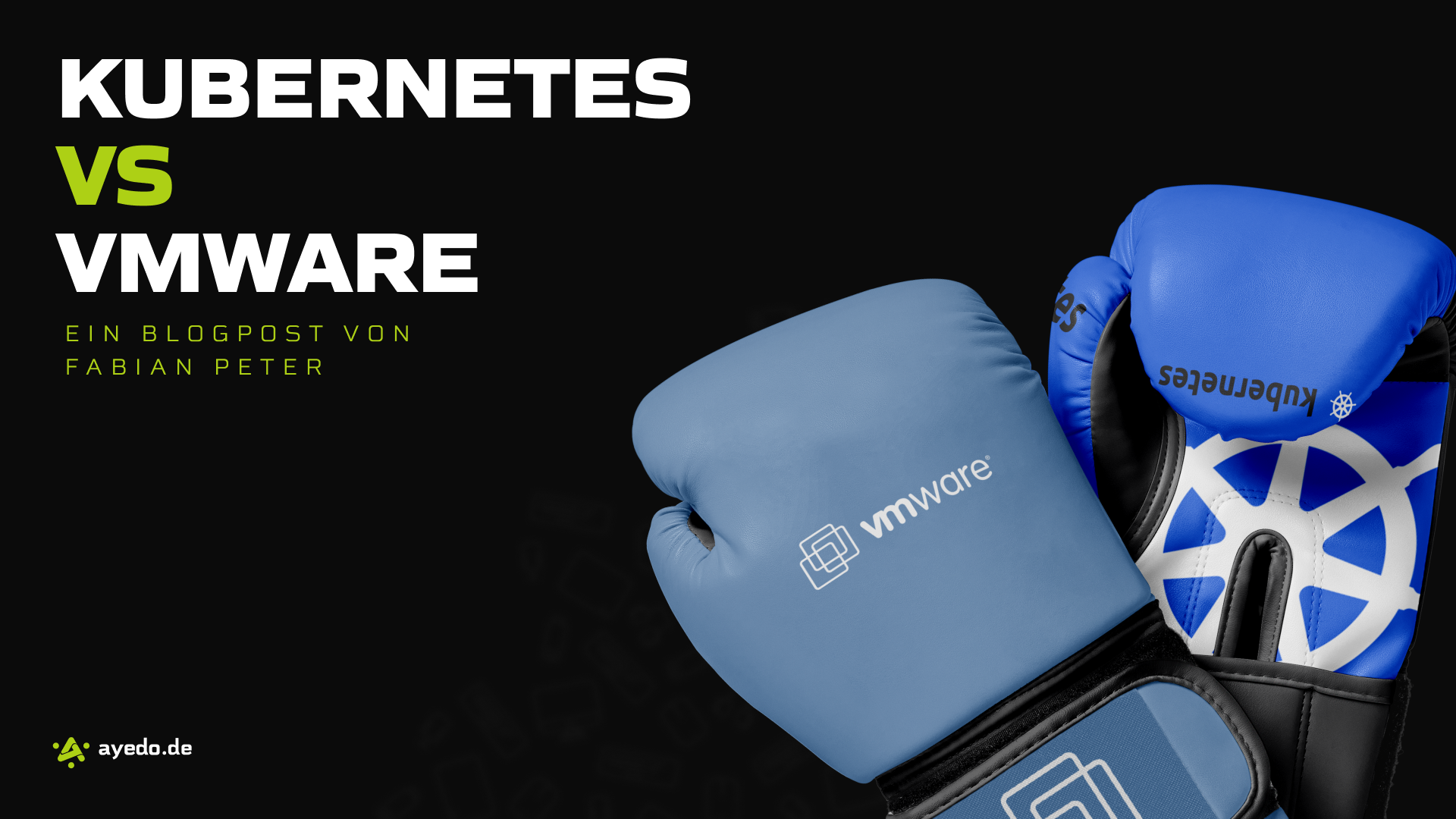
| Criterion | Kubernetes | VMware |
|---|---|---|
| Technology | Container orchestration platform | Virtualization platform |
| Level of Abstraction | Virtualizes applications at the container level | Virtualizes hardware at the server level |
| Use Case | Deployment and management of container applications in cloud environments | Server consolidation, desktop virtualization, cloud infrastructures |
| Architecture | Master-slave architecture with Kubernetes nodes | Hypervisor (e.g., VMware ESXi) and management software (e.g., vSphere) |
| Deployment Location | Cloud and hybrid cloud environments | Data centers and cloud infrastructures |
| Features | Automated deployment, scaling, and management of containers | Server consolidation, load balancing, resource optimization |
| Portability | Portability of container applications across different cloud platforms | Portability of VMs across various VMware products |
| Example Products | Google Kubernetes Engine (GKE), Amazon Elastic Kubernetes Service (EKS), Azure Kubernetes Service (AKS) | VMware vSphere, VMware ESXi, VMware vCenter Server |
This table provides a clear overview of the differences between Kubernetes and VMware in terms of technology, level of abstraction, use case, architecture, deployment location, features, portability, and example products.
Kubernetes and VMware are two distinct technologies developed for different purposes. Here are the main differences between Kubernetes and VMware:
Virtualization vs. Container Orchestration:
Level of Abstraction:
Use Case:
Architecture:
In summary, VMware and Kubernetes are different technologies developed for different purposes. VMware focuses on hardware virtualization, while Kubernetes targets the orchestration of container applications. However, both technologies play an important role in modernizing data centers and deploying applications in cloud and hybrid cloud environments.
Welcome to ayedo: Your Partner for Seamless Migration from VMWare to Kubernetes
Are you using VMWare for your application deployment, but have you considered switching to Kubernetes? At ayedo, we support companies like yours in taking this important step. We offer a comprehensive range of services and solutions to help you migrate your applications from VMWare to Kubernetes and leverage the benefits of this modern container orchestration platform.
Why Switch to Kubernetes?
Migrating from VMWare to Kubernetes is significant for several reasons:
Scalability and Flexibility: Kubernetes allows you to scale and manage your applications and workloads much more efficiently than VMWare. With Kubernetes, you can dynamically allocate resources and automatically scale to meet your business demands.
Faster Application Deployment: Kubernetes offers agile and automated application deployment, meaning you can bring new features and updates to market faster.
More Efficient Resource Utilization: Kubernetes optimizes resource usage, enabling you to utilize your infrastructure more efficiently, leading to lower operational costs.
Comprehensive Ecosystem Support: Kubernetes has a broad ecosystem of tools, libraries, and integrations that allow you to integrate your applications with a wide range of technologies and platforms.
How Can ayedo Help You?
Expertise and Consulting: Our experienced team of Kubernetes experts is available to understand your requirements, assess your existing VMWare infrastructure, and develop a tailored migration strategy.
Container Orchestration with Kubernetes: We assist you in setting up and configuring Kubernetes clusters to ensure they are optimally tailored to your needs and can fully leverage the benefits of Kubernetes.
Migration from VMWare to Kubernetes: We help you migrate your existing applications and workloads from VMWare to Kubernetes by adapting your containers and configurations and implementing CI/CD pipelines to enable automated container deployment in Kubernetes.
Training and Education Programs: We offer training and education programs to familiarize your team with the basics of Kubernetes and equip them with the necessary skills and knowledge for the successful deployment and operation of Kubernetes clusters.
Ready to Make the Switch? Contact Us Today!
Take the first step towards a more agile, scalable, and efficient deployment of your applications with Kubernetes. Contact us today to learn more about how ayedo can assist you in migrating your applications from VMWare to Kubernetes. Our experts are ready to support you at every step of the process and ensure your transition to Kubernetes is smooth and successful.
Kubernetes - Managed or Manual? Should you manage Kubernetes yourself or entrust the responsibility …
Criterion Kubernetes OpenShift Developer Open-source project by Google, managed by the CNCF …
Deploying Kubernetes on-premise, in a private, self-managed infrastructure, can present several …