
Kubernetes - Managed or Manual?
Kubernetes - Managed or Manual? Should you manage Kubernetes yourself or entrust the responsibility …
27.03.2024
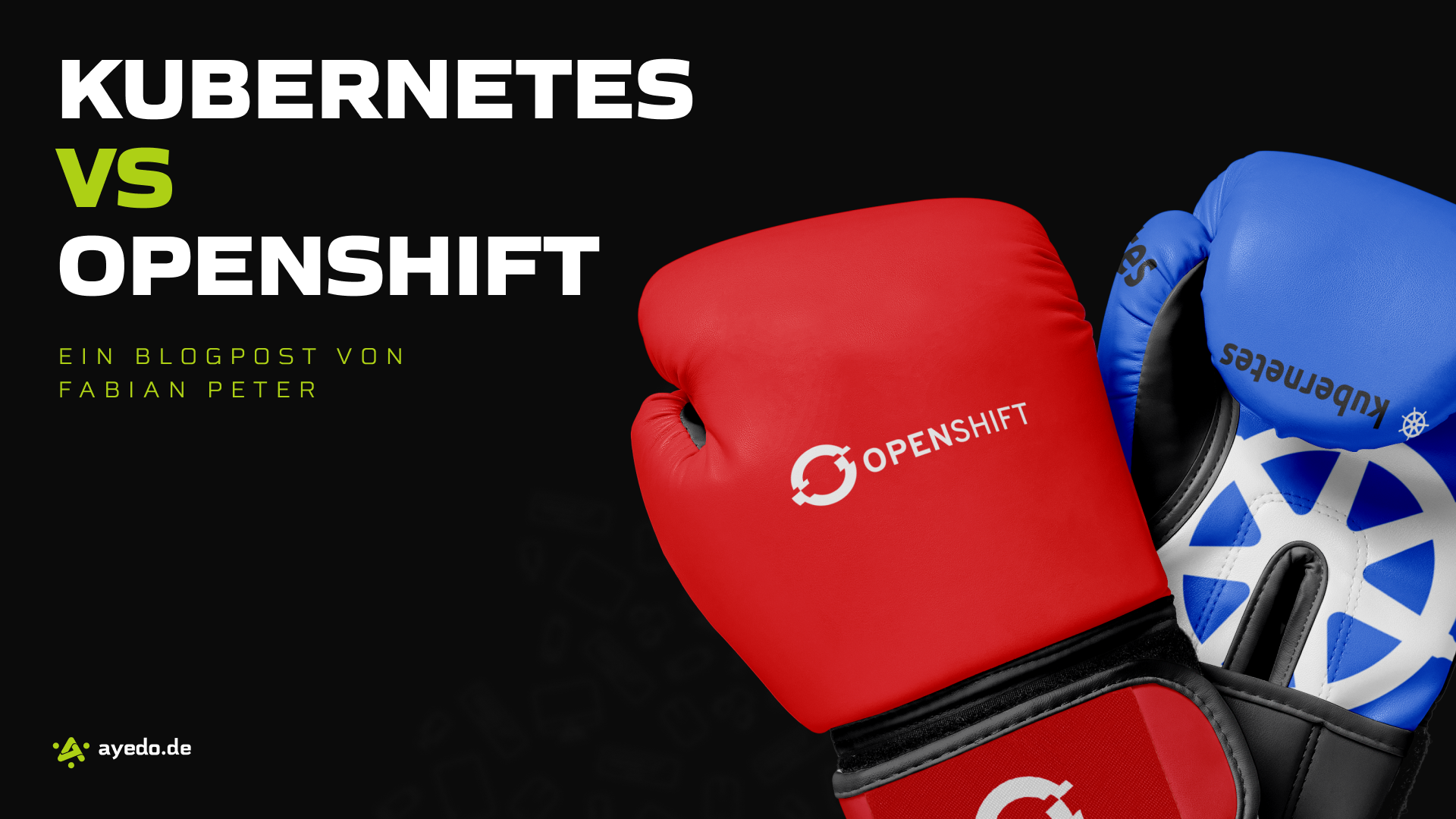
| Criterion | Kubernetes | OpenShift |
|---|---|---|
| Developer | Open-source project by Google, managed by the CNCF | Container platform developed by Red Hat, based on Kubernetes |
| Functionality | Basic container orchestration features like auto-scaling, load balancing, and service discovery | Advanced features and services like build and image management, application scaling, and security |
| Extensibility | Modular and extensible, supports a variety of add-ons and plugins | Extends Kubernetes with additional features and services, offers extra integrations and support |
| Community Support | Large and active community of developers and companies | Supported by Red Hat and the open-source community, offers additional enterprise support and integrations |
| Development and Operations Environment | Primarily focuses on container orchestration and management | Integrated development and operations environment, supports CI/CD pipelines and DevOps practices |
| Companies and Organizations | Commonly used by companies and organizations of all sizes and industries | Often used by companies and organizations with complex application environments and specific requirements |
| Support and SLAs | Support and services offered by various providers, no specific SLAs | Provides enterprise support and service-level agreements (SLAs) through Red Hat and partner companies |
Kubernetes and OpenShift are two related but distinct technologies in the realm of container orchestration and container application management. Here are the main differences between Kubernetes and OpenShift:
Open-Source Platform: Kubernetes is an open-source platform for container orchestration, developed by Google and handed over to the Cloud Native Computing Foundation (CNCF). It offers a robust and scalable solution for deploying, scaling, and managing container applications.
Foundation for Container Orchestration: Kubernetes provides a set of core features for container orchestration, including auto-scaling, load balancing, service discovery, rolling updates, and self-healing. It enables developers to run and manage container applications in a distributed environment.
Modular and Extensible: Kubernetes is modular in design, allowing developers to make customizations and extensions. It supports a wide range of add-ons and plugins for additional features and integrations to meet the needs of different use cases.
Community-Driven Development: Kubernetes is supported by a large and active community of developers and companies who continuously work on the platform’s development and improvement. The community contributes to new features, bug fixes, and best practices, providing support and resources for new users.
Container Platform by Red Hat: OpenShift is a container platform developed by Red Hat, based on Kubernetes. It extends Kubernetes with additional features and services to provide a more comprehensive solution for container management and application development.
Integrated Development and Operations Environment: OpenShift offers an integrated development and operations environment that helps developers to develop, test, and deploy applications faster. It supports CI/CD pipelines, DevOps practices, and agile methods to accelerate and optimize the development process.
Advanced Features and Services: OpenShift provides additional features and services compared to pure Kubernetes, including build and image management, application scaling, resource management, security and compliance, monitoring and diagnostics, as well as support and service-level agreements (SLAs).
Enterprise Support and Integration: OpenShift is supported by Red Hat and offers comprehensive enterprise support and integrations with other Red Hat products and solutions. It provides additional security features, compliance tools, and management functions tailored specifically to the needs of large companies and organizations.
Overall, OpenShift can be seen as an enhanced and more comprehensive solution for container management and application development, building on Kubernetes and offering additional features and services. It is particularly aimed at companies and organizations that need a robust and scalable platform for developing, deploying, and managing container applications.
Welcome to ayedo: Your Partner for a Smooth Transition from OpenShift to Kubernetes
Are you using OpenShift for container orchestration and considering a switch to Kubernetes? At ayedo, we specialize in assisting companies like yours with this transition. We offer a comprehensive range of services and solutions to help you navigate the switch from OpenShift to Kubernetes smoothly and efficiently.
Why Switch to Kubernetes?
OpenShift is undoubtedly a robust platform for container orchestration, but there are compelling reasons to consider switching to Kubernetes. A key advantage is cost savings: unlike OpenShift, Kubernetes has no licensing costs. This can lead to significant savings and greatly reduce overall operational costs. Additionally, Kubernetes offers broader support, a larger community, and a variety of tools and integrations, making it an attractive target for companies looking to modernize their container environment.
How Can ayedo Help You?
Expertise and Consultation: Our experienced team of Kubernetes experts is available to understand your requirements, assess your existing OpenShift infrastructure, and develop a tailored migration strategy.
Container Orchestration with Kubernetes: We assist you in setting up and configuring Kubernetes clusters to ensure they are optimally tailored to your needs and take full advantage of Kubernetes.
Migration from OpenShift to Kubernetes: We help you migrate your existing OpenShift applications and workloads to Kubernetes by adapting your containers and configurations and implementing CI/CD pipelines to enable automated container deployment in Kubernetes.
Training and Training Programs: We offer training and training programs to familiarize your team with the basics of Kubernetes and equip them with the necessary skills and knowledge for the successful deployment and operation of Kubernetes clusters.
Managed Kubernetes Services: For companies without internal resources to operate Kubernetes clusters, we offer fully managed Kubernetes services to ensure your Kubernetes infrastructure is operated and maintained around the clock.
Ready for the Switch? Contact Us Today!
Take the first step towards more agile, scalable, and cost-effective container orchestration with Kubernetes. Contact us today to learn more about how ayedo can assist you with your transition from OpenShift to Kubernetes. Our experts are ready to support you at every step of the process and ensure your transition to Kubernetes is smooth and successful.
Kubernetes - Managed or Manual? Should you manage Kubernetes yourself or entrust the responsibility …
Criterion Kubernetes VMware Technology Container orchestration platform Virtualization platform …
Deploying Kubernetes on-premise, in a private, self-managed infrastructure, can present several …