
AI Without Losing Control: Machines Run Better on Your Own Infrastructure
Everyone is talking about AI, Large Language Models, inference pipelines, custom LLMs, and …
03.06.2025
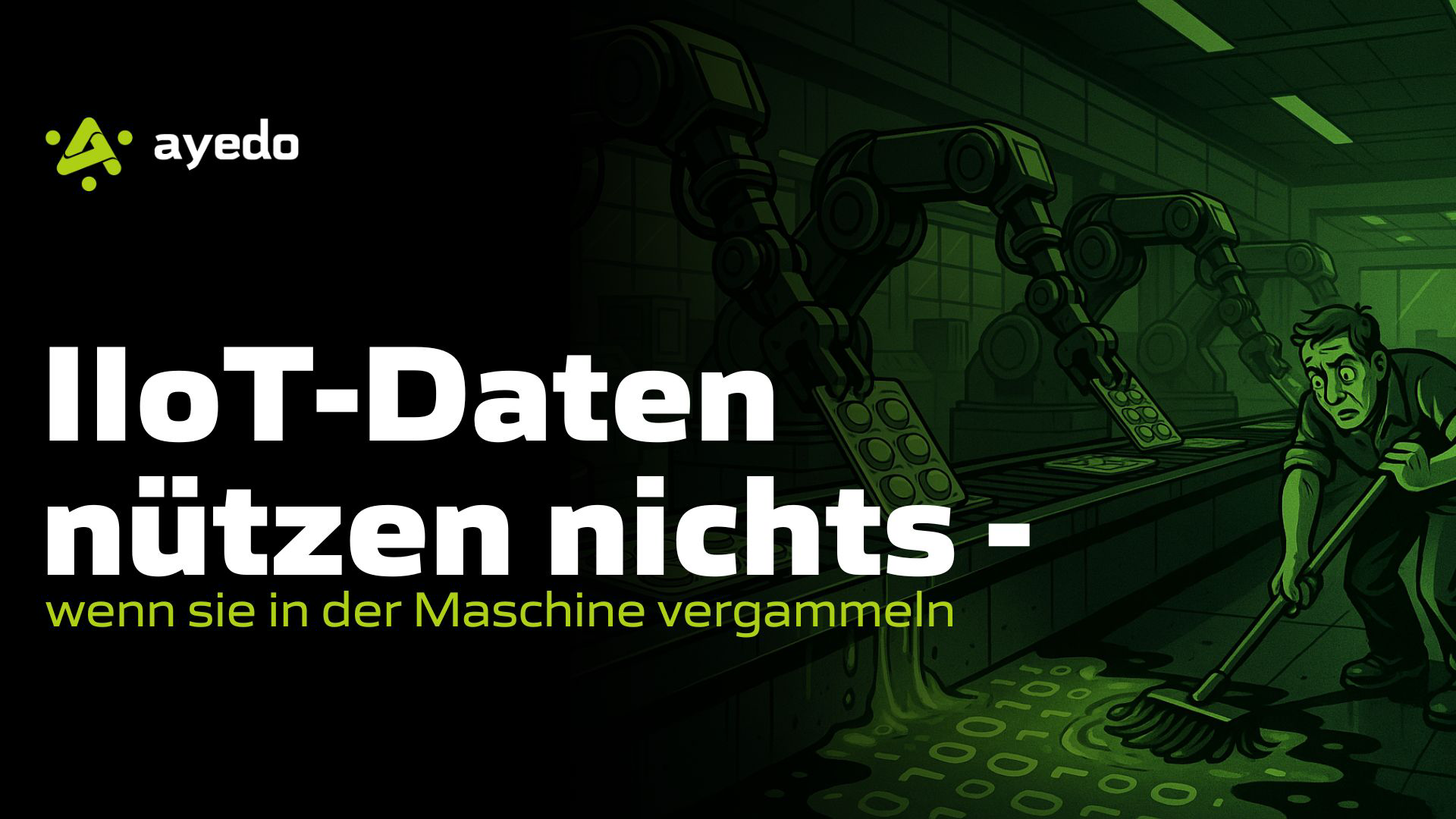
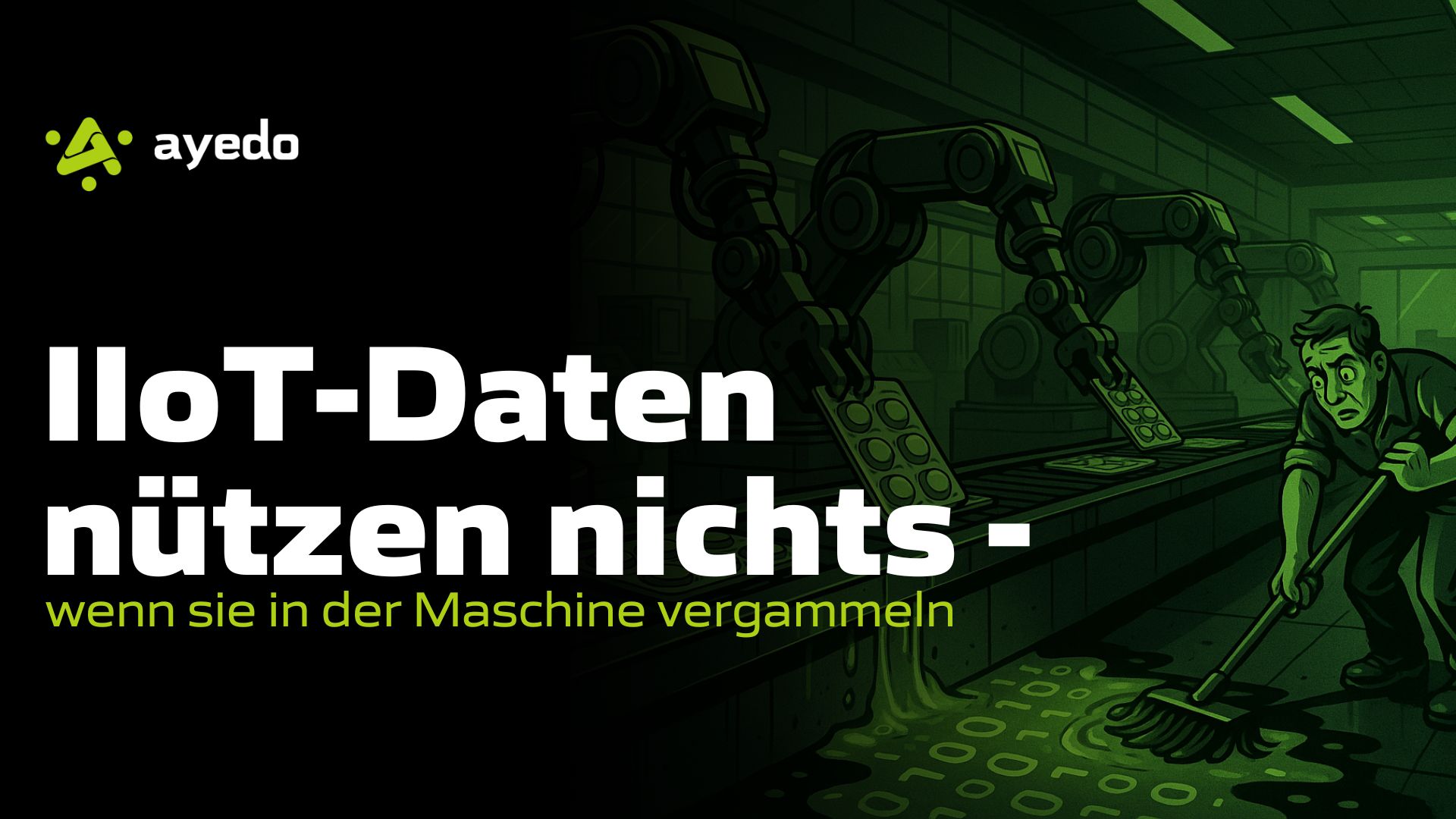
Most IIoT projects don’t fail because of the machines. The sensors work. The controllers provide data. The networks transmit packets. The problem starts one level higher: The data ends up somewhere in the production network, is briefly logged, maybe aggregated, and then? Nothing.
Because no one has effectively solved how to turn high-frequency real-time data from OT into actionable information for analytics, planning, supply chain, and management. And that’s absurd. The production line already knows its status — but the organization often finds out days later when reports are consolidated.
IIoT data only generates its real value when processed in a way that brings it to the decision-makers. This requires systems that transfer this data in real-time from isolated OT networks to the analytical IT world — stably, securely, auditable, and most importantly: fully controlled.
Anyone can read data. Few can operationalize it effectively.
At this point, traditional cloud offerings don’t provide a real solution. Either you connect everything directly to external platform providers, transferring data streams without regard for production networks, without control over latencies, availabilities, access paths. Or you remain completely on-premise, creating new data silos that exist outside any scalable analytics architecture. Neither is an option if you take IIoT seriously.
The solution is simple but uncomfortable for many architects: You need a clean, sovereignly operated on-premise cloud platform that communicates with production networks, aggregates and preprocesses data locally — and then brings it into analytics systems under full control.
And that’s exactly what the ayedo Enterprise Cloud stands for.
Kubernetes-based orchestration. API-first architecture. Fully automatable data pipelines. Real-time capable service mesh infrastructure. Zero-trust network segmentation between OT and IT. Data centers under European law. And above all: complete control over every single layer — no black box, no platform vendor, no external control planes.
The IIoT data is there. The sensors have long been providing constant information. What is missing is the technical infrastructure to bring it stably and auditable into the hands of those who should make decisions from data. You don’t build a flashy platform for that. You need an infrastructure that you fully control yourself.
IIoT only becomes productive when you operationalize the data. And that only works if you don’t relinquish control.
Everyone is talking about AI, Large Language Models, inference pipelines, custom LLMs, and …
Kubernetes has established itself as a key technology for managing and operating containerized …
Welcome to the ayedo Cloud – your ultimate platform for zero-downtime SaaS app hosting. Designed …