Stretched Cluster vs. Multi-Region: Architectural Decisions for Maximum Resilience
When companies decide to distribute their Kubernetes platform across two data centers, they face a …
30.03.2026
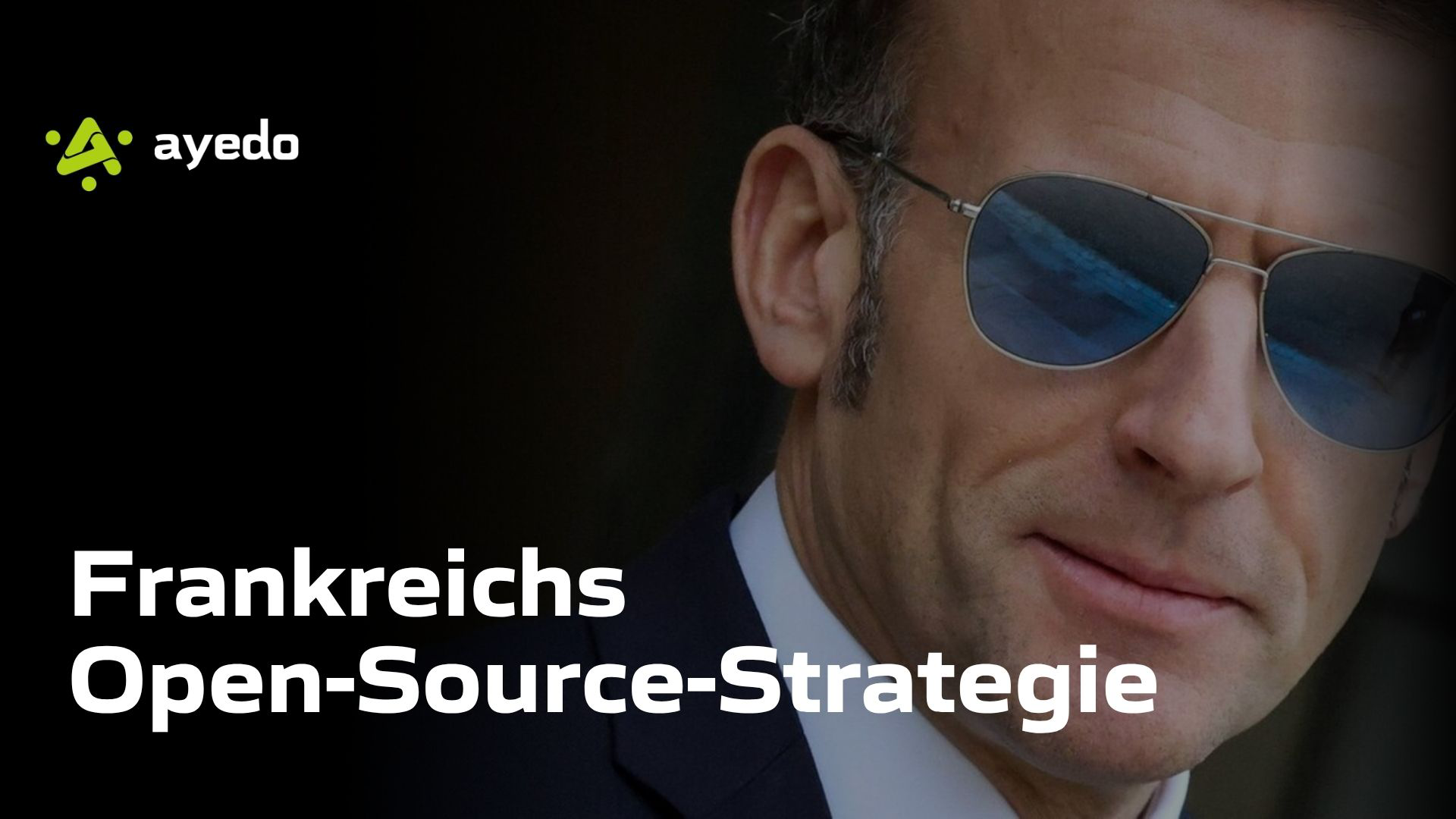
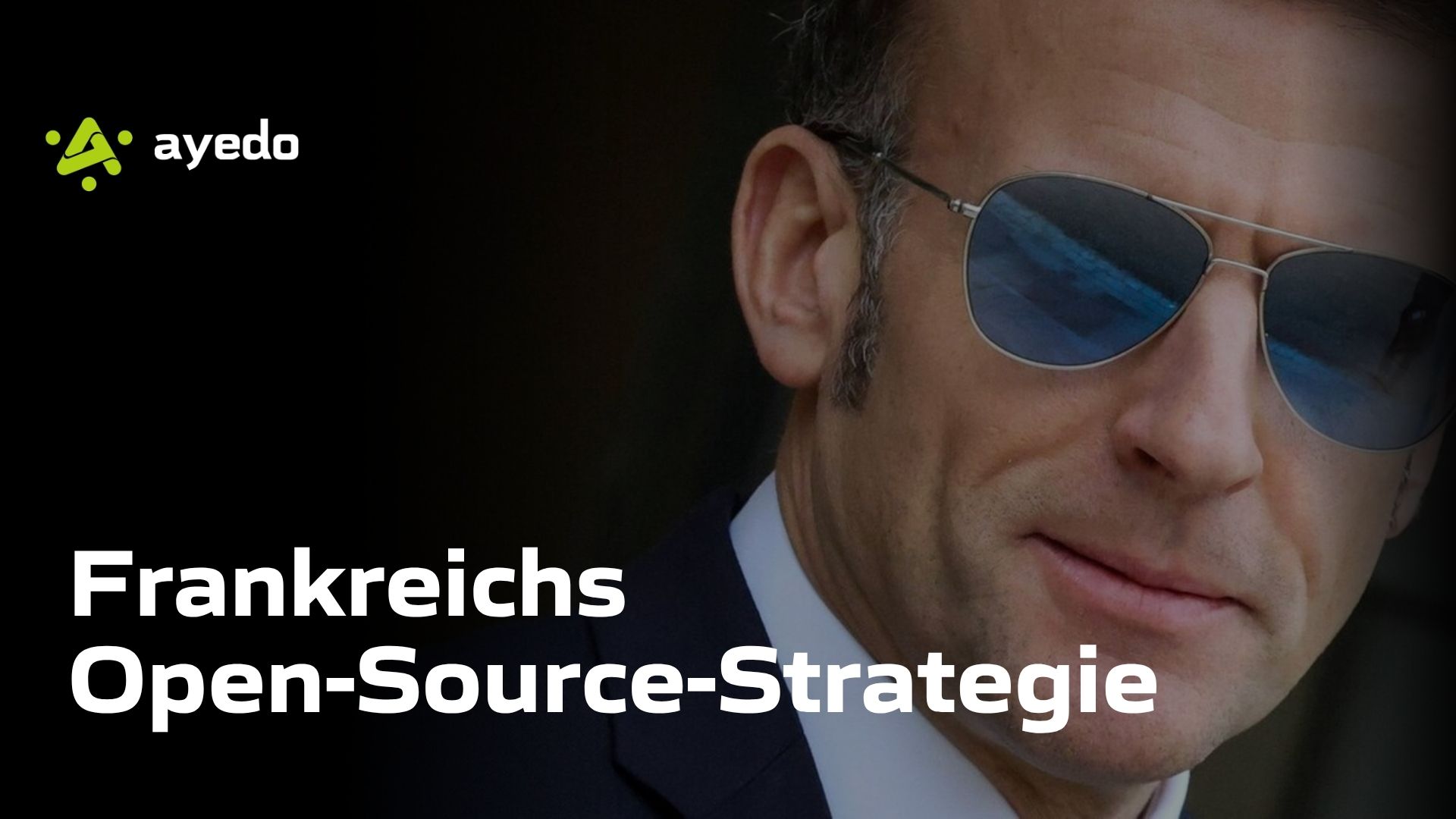
Since 2021, the French government has been pursuing a well-structured approach to the digital transformation of the state with the action plan “Free Software and Digital Commons.” Open Source is not treated as a technical detail but as a strategic tool to strengthen state capabilities and technological independence.
The plan is politically anchored, organizationally secured, and operationally differentiated. This exact combination is missing in many other European countries.
The starting point is the French government’s data strategy from 2021. It explicitly defines Open Source and digital commons as part of state infrastructure policy.
Implementation lies with the interministerial digital agency DINUM. Within this structure, a dedicated Open Source unit was created to manage the action plan. This central anchoring ensures coherence, prioritization, and continuity.
Open Source is thus no longer a decentralized experiment of individual agencies but a coordinated component of state digitalization.
A central component of the plan is building transparency over existing solutions. Tools like the GouvTech catalog and the interministerial software base (SILL) make visible which Open Source components are already in use.
The focus is on reuse rather than new development. Administrations should adapt, further develop, and jointly use existing solutions.
This not only reduces costs but also prevents parallel developments and strengthens interoperability within the public sector.
At the same time, the exchange of knowledge between authorities is actively promoted. Open Source is understood here as a collaborative system, not as an isolated technology decision.
Another focus is on opening state-developed software. Platforms like code.gouv.fr systematically publish, document, and make source codes available for reuse.
This is not just about transparency but about scaling. Software developed with public funds should be usable multiple times—within the administration and beyond.
The state thus positions itself as a producer of digital infrastructure.
This perspective fundamentally shifts the role of the administration: away from a mere procurer, towards an active player in the software ecosystem.
The action plan is not limited to the use and publication of software. It explicitly aims at contributions to existing Open Source projects and digital commons.
This includes both the further development of used components and the strategic observation of relevant ecosystems. The goal is to recognize early on where participation is meaningful—especially in the context of digital sovereignty.
Thus, Open Source is not only consumed but actively shaped.
An often underestimated aspect is the labor market dimension. France deliberately links Open Source with the attractiveness of the public sector for developers.
Contributions to Open Source projects are recognized as part of professional work. Networks like “BlueHats” promote exchange, visibility, and community building within the administration.
The state thus aligns more closely with the working realities of modern software development. This creates connectivity to existing communities and increases competitiveness in recruiting.
All measures follow an overarching goal: reducing technological dependencies.
Through increased use of Open Source, systematic reuse of software, and active participation in digital commons, the state gains more control over its IT systems.
Transparency, traceability, and adaptability are structurally anchored.
Digital sovereignty is thus not discussed abstractly but implemented operationally.
The French approach is distinguished primarily by its consistency. While individual initiatives dominate in many European countries, France relies on clear responsibilities, binding processes, and strategic coherence.
Open Source is not used sporadically but established as a permanent foundation of state digitalization.
This shows: The decisive question is not whether Open Source is available. The decisive question is whether governments are willing to derive binding structures from it.
France has made this decision.
When companies decide to distribute their Kubernetes platform across two data centers, they face a …
In modern e-commerce, data is the foundation for every growth decision. However, traditional …
In modern e-commerce, the search function is much more than just an input field. It is the most …