Host Your Banking APIs DORA-Compliant on European Infrastructure with ayedo
DORA is coming. And this time, it’s not just about a few pretty compliance PDFs. What many …
03.06.2025
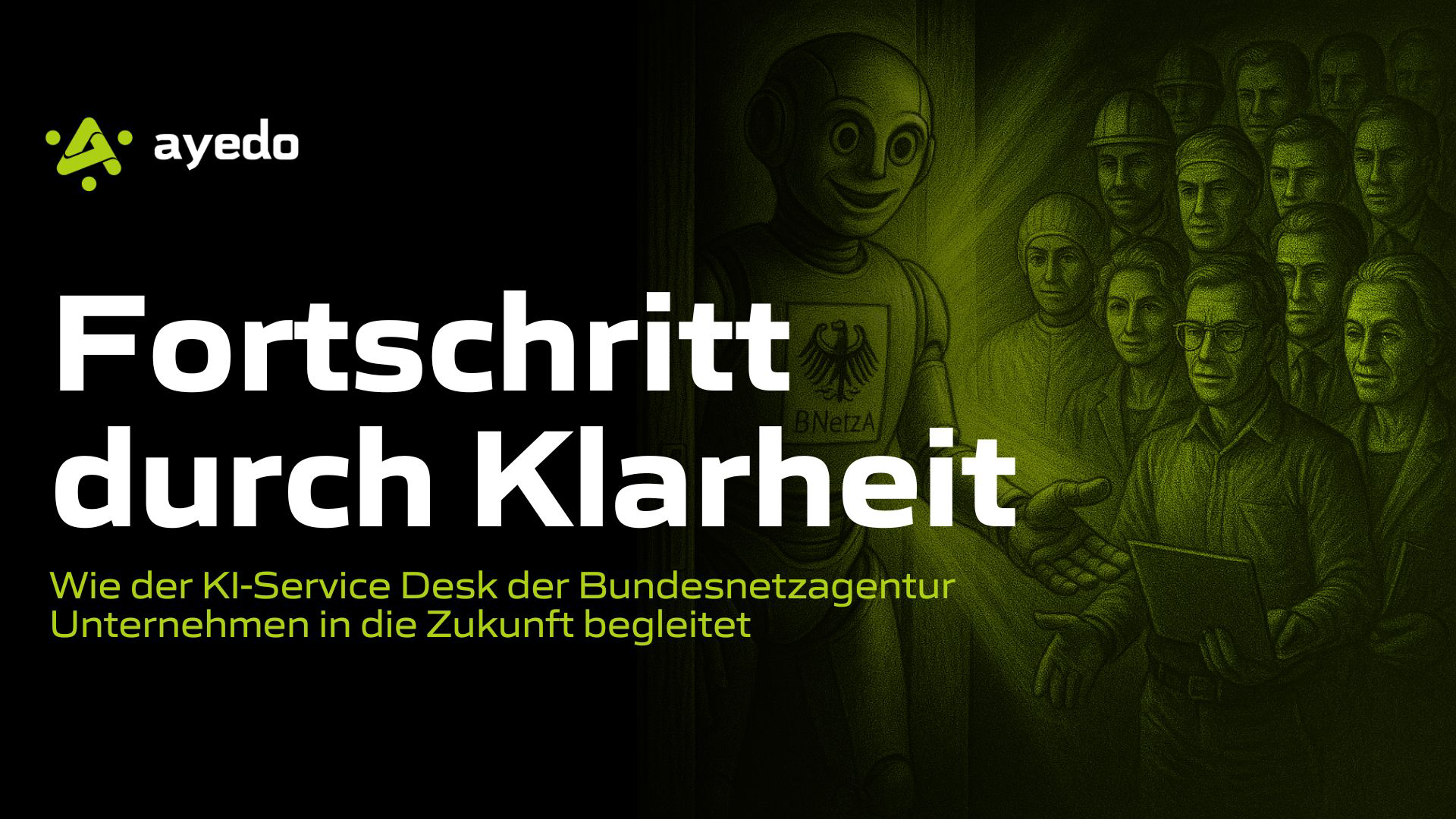
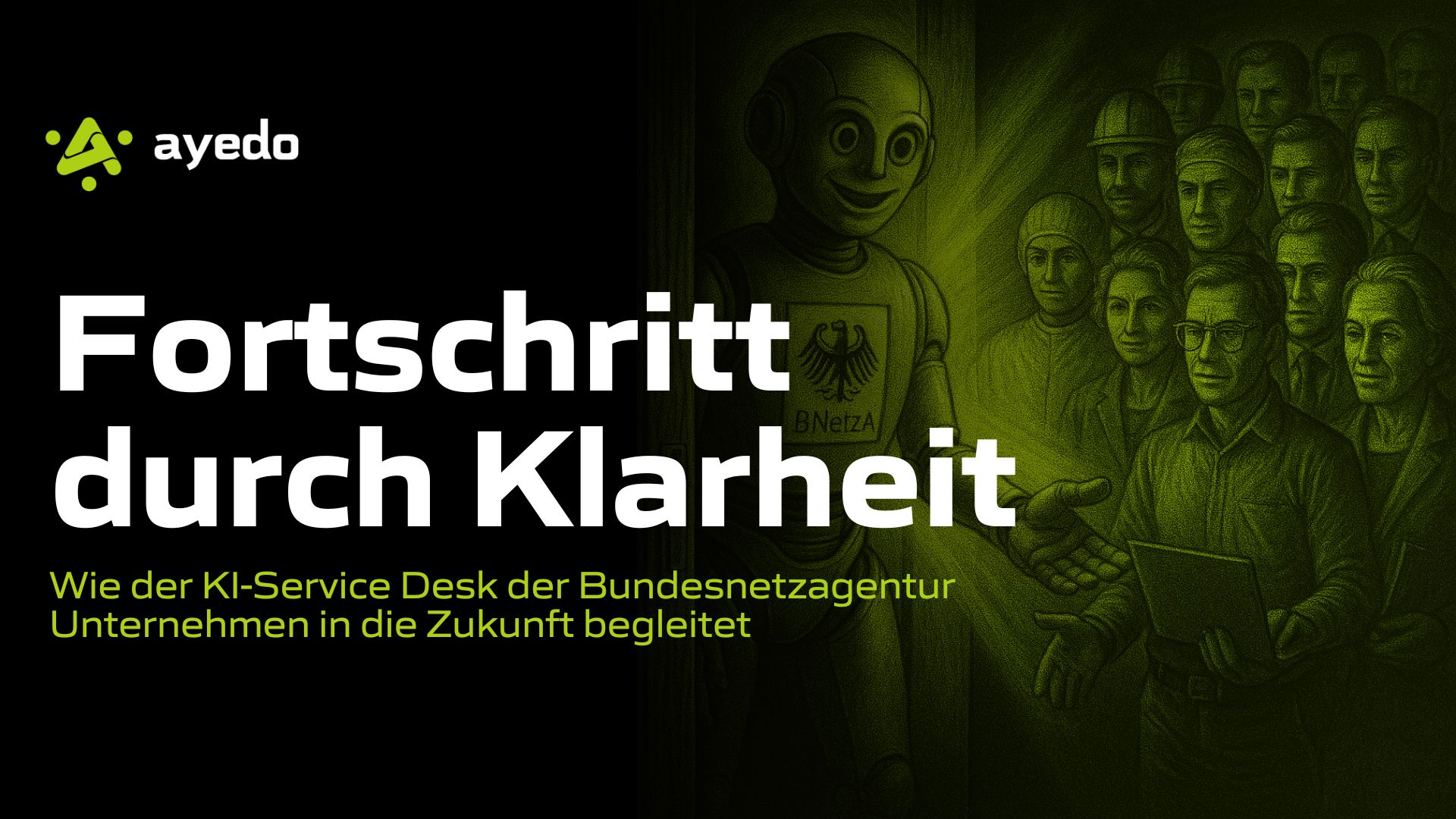
The European AI Regulation (AI Act) is a milestone: It creates a unified legal framework for the development and use of Artificial Intelligence in the EU for the first time. The goal is to enable innovation while minimizing risks to society, the economy, and fundamental rights. However, implementing this complex regulation poses significant challenges for companies. This is where the new AI Service Desk of the Federal Network Agency comes into play.
With the AI Service Desk, the Federal Network Agency establishes a central contact point for companies, authorities, and organizations that are asking:
Small and medium-sized enterprises, as well as start-ups, particularly benefit from this support. Often, they lack the internal resources to efficiently navigate regulatory changes.
The introduction of the AI Act has caused uncertainty in many parts of the economy. Especially young technology companies feared it could stifle innovation. However, with the accompanying advice from the AI Service Desk, it becomes clear: Regulation can also be an innovation driver – when it is clear, practical, and supportive.
The Federal Network Agency positions itself not only as a supervisory body but as an active partner for trustworthy AI in Europe. Through streamlined structures, transparent information, and offerings like the AI Compliance Compass, it creates trust and operational security.
A central element of the AI Act is the risk-based classification of AI systems:
| Risk Level | Meaning |
|---|---|
| Prohibited Practices | Systems that, for example, evaluate social behavior are generally prohibited |
| High-Risk AI | e.g., in medicine, justice, or critical infrastructure – with strict requirements |
| Low Risk | Common in many business applications, with moderate requirements |
| Minimal Risk | e.g., chatbots or spam filters – hardly regulated |
This classification allows companies to allocate resources effectively and implement regulatory obligations as needed.
The AI Service Desk is more than just a consulting service – it is a symbol of a new form of digital governance. One that does not hinder but empowers. The EU demonstrates with the AI Act how regulation and innovation can go hand in hand. Germany is now implementing this with a pragmatic, business-oriented approach.
For companies, this means: Now is the time to strategically engage with AI compliance – not as an obligation, but as an opportunity.
The AI Regulation exemplifies modern regulatory approaches that understand Compliance as an innovation driver. Companies that have already implemented structured Information Security Management Systems are clearly at an advantage. This systematic approach also pays off with new requirements like the AI Act.
Want more guidance? The AI Compliance Compass of the Federal Network Agency offers a systematic overview of all aspects of the new regulation.
https://www.bundesnetzagentur.de/DE/Fachthemen/Digitales/KI/start_ki.html
DORA is coming. And this time, it’s not just about a few pretty compliance PDFs. What many …

Regulation becomes code, Open Source becomes infrastructure, Sovereignty becomes… marketing? …

🗞 Weekly Backlog – Week 45/2025 Europe discovers that digital independence is not an ideal but a …