Weekly Backlog 41/2025
Weekly Backlog Week 41/2025 Digital Identity, Sovereign Administrations, and the Unbreakable …
06.10.2025
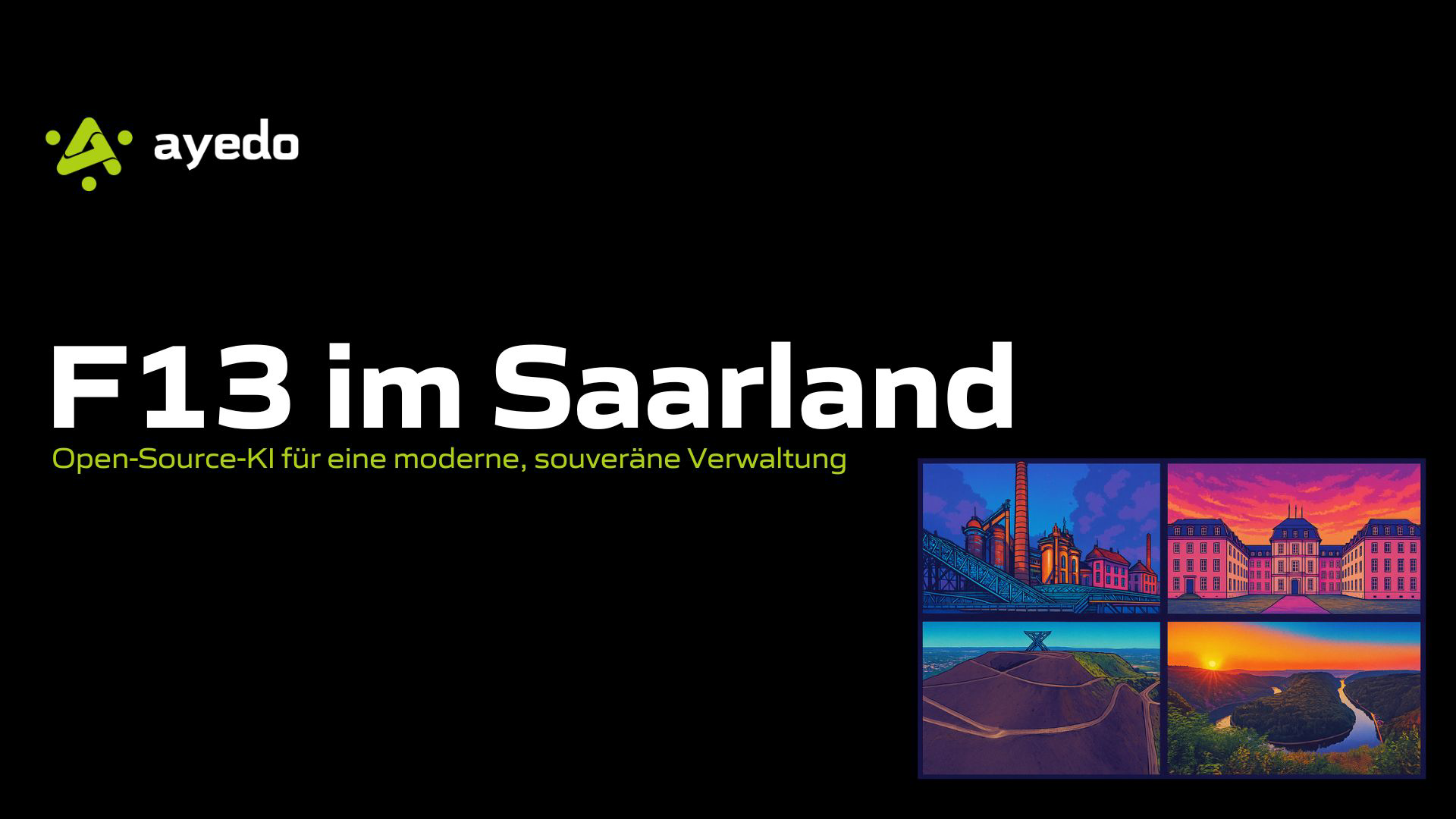
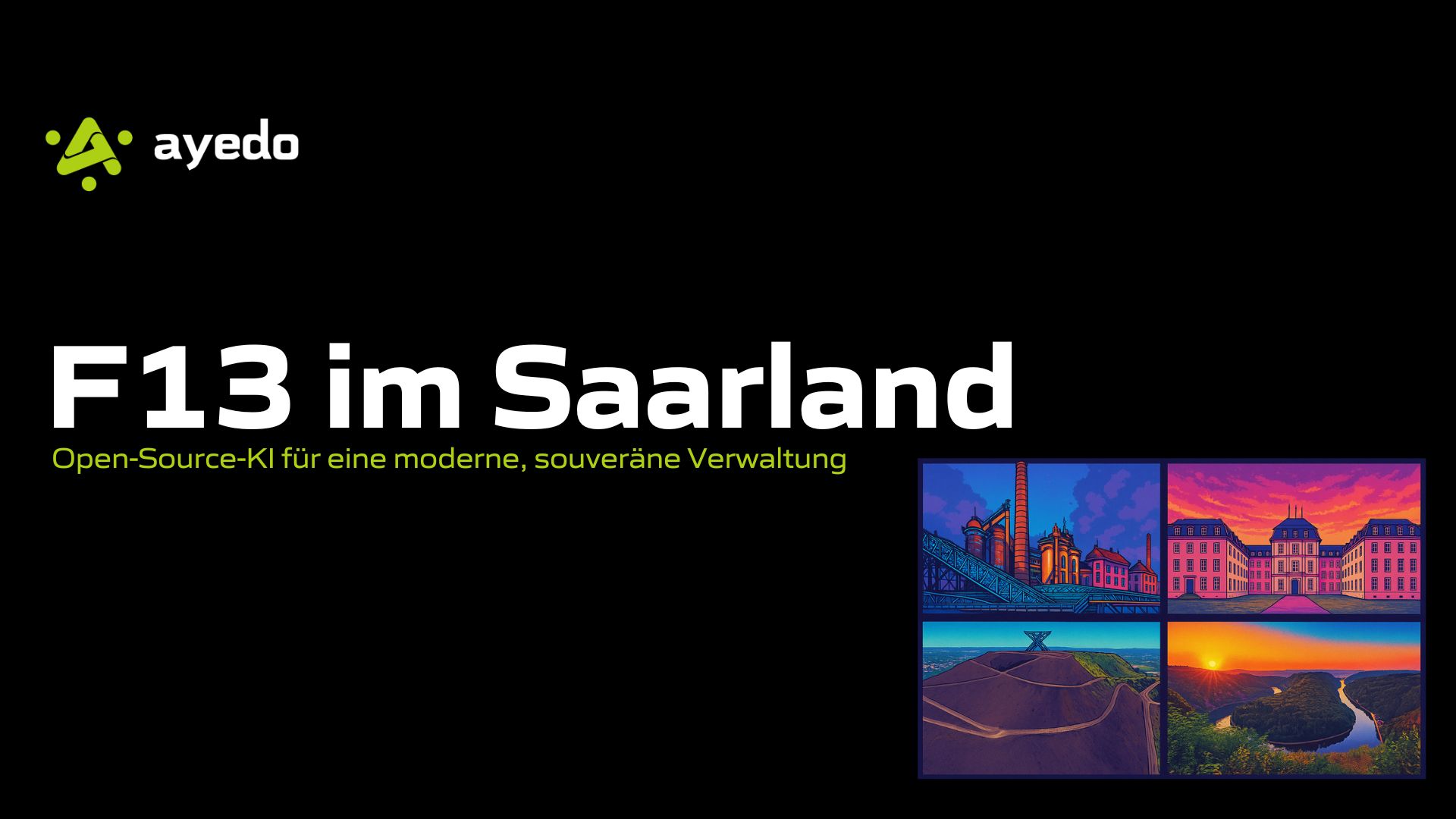
With the pilot project to introduce the AI assistant F13, Saarland is taking a remarkably clear path towards a digitally sovereign administration. Originally developed in Baden-Württemberg, the solution was specifically designed for the public sector, focusing on data protection, transparency, and control by governmental bodies.
The goal: to make daily work in authorities more efficient without relying on proprietary platforms. The F13 AI solution processes information locally, does not leave the European legal space, and has been available as Open-Source Software for reuse since July 2025—a rarity in the field of AI-based administrative software.
According to the Saarland Ministry of Economy, Innovation, Digitalization, and Energy, F13 is intended to support administrative staff in information retrieval, document management, and text creation. Its features include:
The technical responsibility remains entirely with the authorities. The state actively takes on further development and plans to contribute additional modules back to the Open-Source Community. This fundamentally distinguishes F13 from many AI solutions of international providers, which typically rely on proprietary infrastructures and cloud-based processing.
Notably, Saarland is working together with Hamburg and North Rhine-Westphalia on a module for knowledge preservation in administration. This aims to systematically capture the expertise of departing employees and make it available for successors—a crucial endeavor in light of the upcoming generational change in public service.
State Secretary Elena Yorgova-Ramanauskas emphasizes the practical benefits in the official press release: “Our goal is to ease the work of our colleagues through the use of AI solutions, thereby further enhancing the service quality for citizens.”
F13 demonstrates that it is possible to use AI beneficially and legally compliant in administration—provided that architecture, access control, and governance are publicly considered from the outset. The decision to provide the software as open-source is a strategic signal for greater digital independence.
Whether F13 can establish itself as a reference model for other federal states or even EU-wide applications remains to be seen. The prerequisites are in place: technical openness, data protection-compliant architecture, and a growing developer community in the public sector.
Weekly Backlog Week 41/2025 Digital Identity, Sovereign Administrations, and the Unbreakable …
Cloud Brokering for True Sovereignty The discussion about digital sovereignty in Europe is old, but …
Starting December 2025, Microsoft will enhance its collaboration platform Teams with a feature that …