
Kubernetes is the Operating System of the Sovereign Cloud
Kubernetes is the Operating System of the Sovereign Cloud Few technologies have fundamentally …
06.11.2025

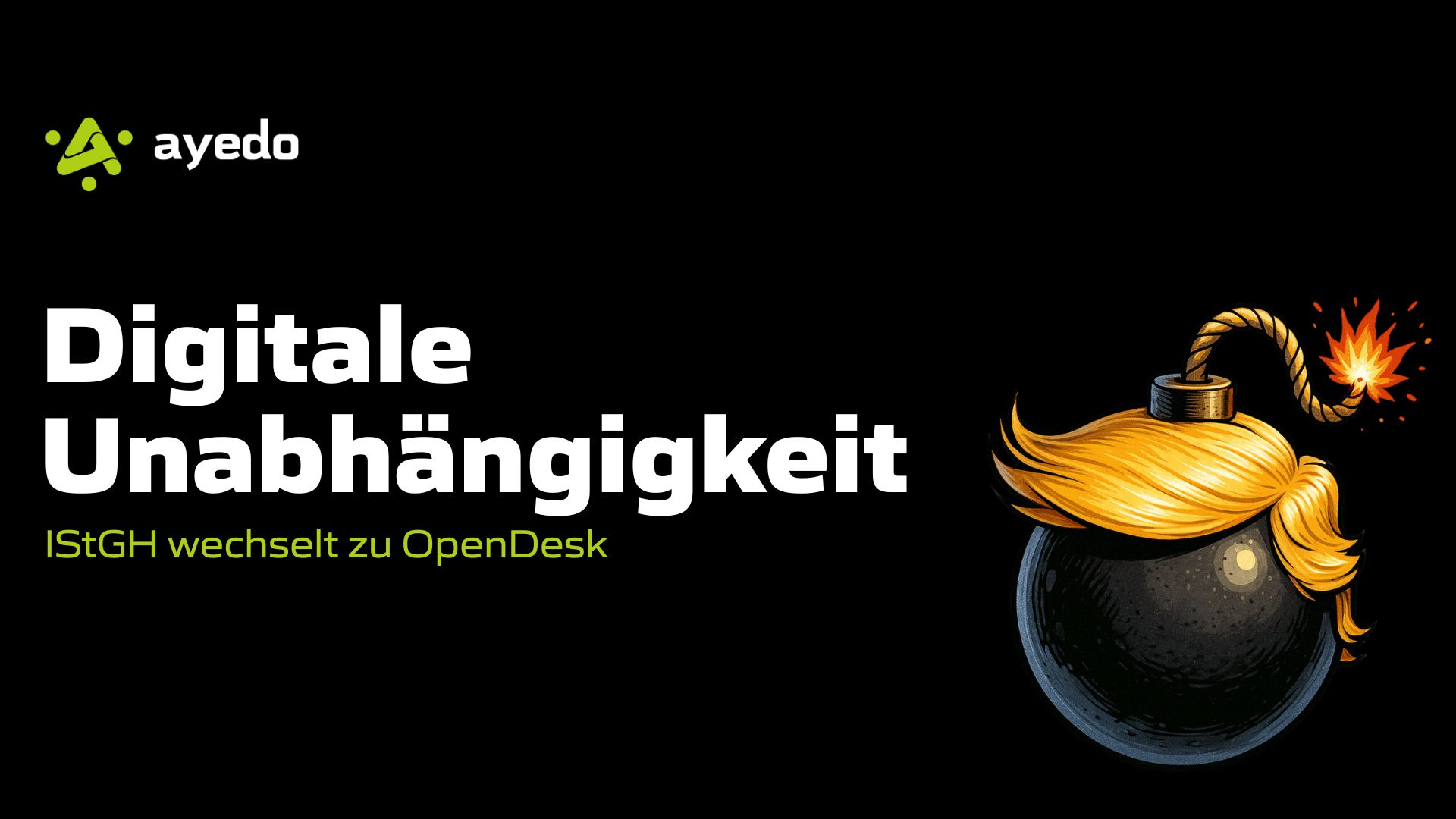
The International Criminal Court (ICC) in The Hague is taking a significant step in response to recent political tensions with the USA: it is ending its collaboration with American technology providers like Microsoft and will now rely on the open-source platform OpenDesk developed by the German government. This move marks a turning point in how international institutions handle digital dependency and underscores the strategic importance of technological sovereignty.
According to a report by Handelsblatt, the decision was triggered by concerns over political influence from the USA. Under President Donald Trump’s administration, Washington imposed sanctions on ICC staff, including Chief Prosecutor Karim Khan. Consequently, Microsoft blocked Khan’s email access, directly impacting the court’s operational capability. This incident highlighted the vulnerability of international institutions reliant on foreign cloud and communication services for critical operations. Digital infrastructure, once considered a neutral service, has become a geopolitical tool.
To mitigate such risks in the future, the ICC has decided to completely replace the Microsoft environment. OpenDesk, a collaborative open-source platform developed by the Center for Digital Sovereignty (ZenDiS), will be implemented. ZenDiS is a federal organization tasked with reducing digital dependencies and strengthening European alternatives on behalf of the German government. The transition affects approximately 1,800 jobs at the court. While this number is modest on an international scale, the message is clear: even high-ranking international legal institutions recognize the need to regain technological control.
OpenDesk is based on open standards and open-source software operated by European data centers. Its goal is to ensure data sovereignty and interoperability—key prerequisites for the digital sovereignty of public institutions. The project is part of a broader European movement towards greater technological independence. In addition to the ICC, the Public Health Service and the German Armed Forces are also adopting OpenDesk. The latter has signed a framework agreement with ZenDiS for “sovereign communication and collaboration solutions.”
The ICC’s decision is more than an IT project; it reflects a profound shift in awareness. Technology today is not just infrastructure but a tool of power—and losing control over software, servers, and data also means losing political and operational autonomy. For Europe, this step demonstrates that strategic autonomy applies not only to energy or defense issues but also to the digital realm. Open technologies like OpenDesk provide the foundation for institutions to operate independently even in geopolitically tense times.
The transition of the International Criminal Court from Microsoft to OpenDesk is a striking example of the link between technology and sovereignty. The decision illustrates how geopolitical tensions can directly impact digital infrastructures—and how crucial it is for Europe to build its own trusted alternatives. Digital sovereignty is not an abstract vision but a prerequisite for functioning democratic and legal structures in the 21st century.
For more information about the underlying technology used in OpenDesk, you can learn more about Kubernetes, which plays a vital role in container orchestration. The topics of Cloud-native and DevOps are also crucial for implementing such solutions.
Kubernetes is the Operating System of the Sovereign Cloud Few technologies have fundamentally …

Many confuse Open Source with sovereignty. Both are interconnected – but one does not automatically …

Sovereignty vs. Market Logic 🧠 Editorial This week, a common theme is hard to miss: …