Docker Swarm is Not Kubernetes for Beginners
Docker Swarm is Not Kubernetes for Beginners When discussing container orchestration today, two …
06.11.2025
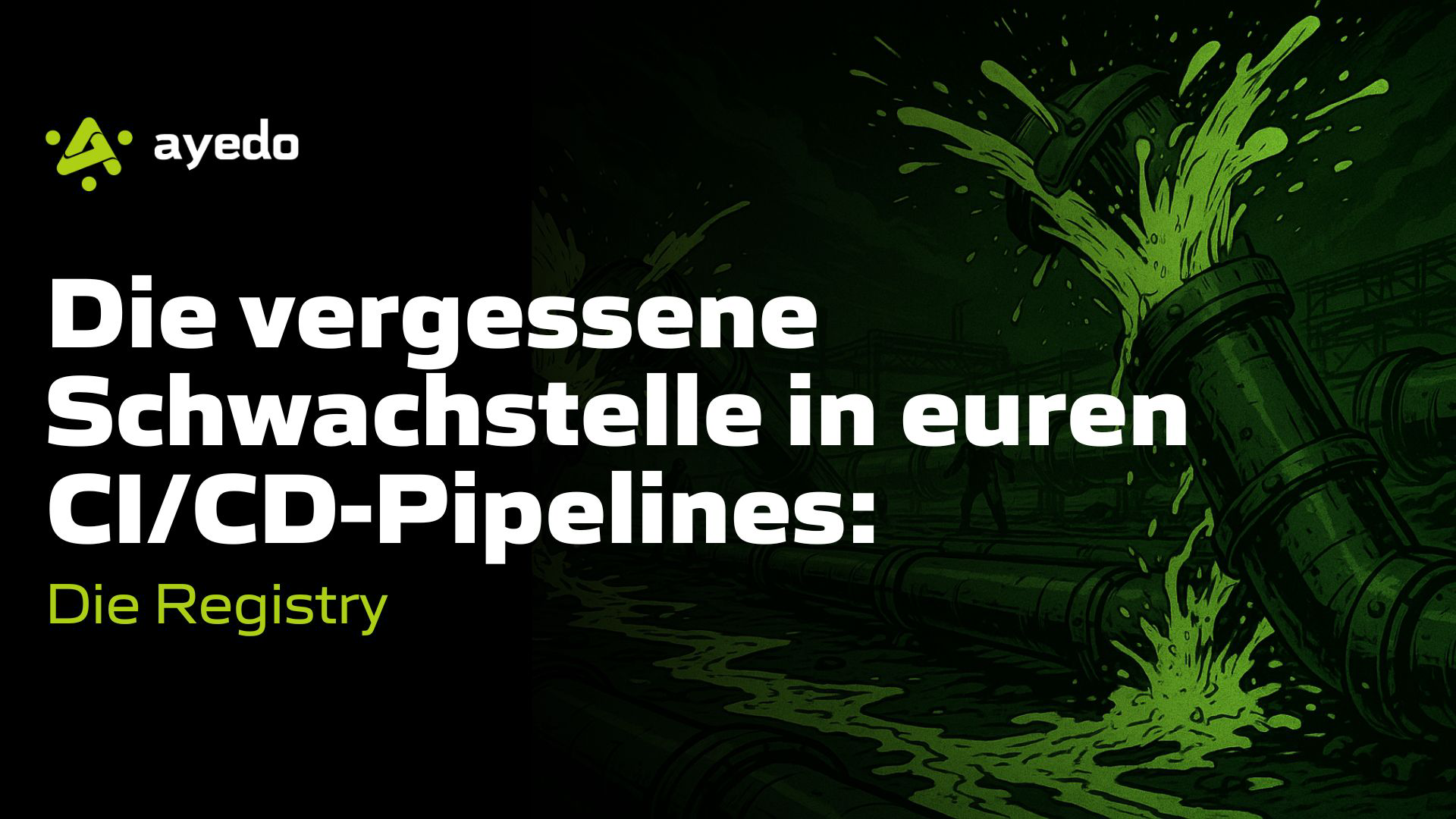
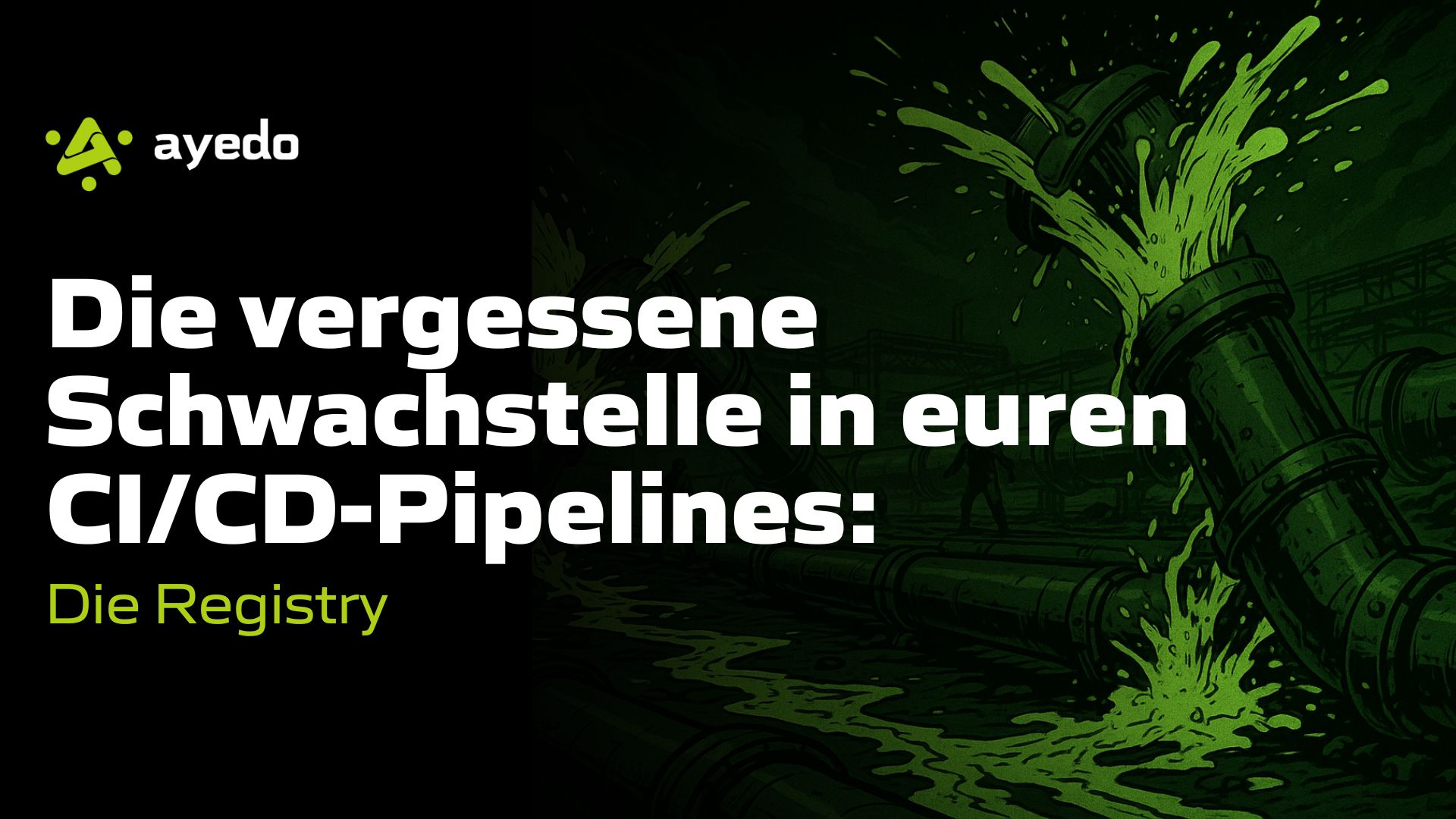
Everyone talks about build pipelines, deployment automation, GitOps, blue/green rollouts, canary releases. Everything is orchestrated, automated, versioned. Sounds stable. But the entire stack relies on a simple point that many teams have ignored for too long: the container and artifact registry.
This is where everything is stored that makes your software runnable: container images, Helm charts, packages, libraries, dependencies. Without these artifacts, every build is worthless. Without them, not a single pipeline can be deployed.
And this is exactly where it becomes dangerous if you simply outsource the registry to one of the well-known public registry providers.
Retention policies are becoming stricter. Pull limits are enforced without notice. Free tiers disappear or become unusable. Images vanish after weeks because some central policy was adjusted.
The result? Builds fail. Pipelines break in the middle of the night. Debugging becomes a nightmare because dependencies suddenly aren’t reproducible. Snapshots you relied on simply no longer exist. And at the latest during disaster recovery scenarios, you start to retrospectively question why you ever relinquished responsibility for this critical infrastructure.
Anyone delivering production software needs no platform dependency at this point. They need control.
Artifact management is not a side function. It is production infrastructure.
That’s exactly why we operate the ayedo Container Registry: a dedicated, clean registry infrastructure that provides all relevant functions without platform risk. Here, images don’t disappear just because a policy update was rolled out by a third-party provider. Here, there are no pull limits that suddenly hit in the CI/CD pipeline. Here, versioning is done according to your strategy, not according to the default specifications of some public registry operator.
And because many projects are dependent on public upstreams anyway, we additionally mirror common public repositories in our Artifact Mirror System. This ensures all common images are locally cached, highly available, cleanly retrievable even under load, and independent of external rate limits.
In short: Your CI/CD pipeline no longer has to fail due to upstream outages. Your disaster recovery no longer has to fail due to missing image tags. And your builds are permanently reproducible—even years after release.
Those who do not control their artifacts themselves will lose control over their own software supply chain in the long run.
Docker Swarm is Not Kubernetes for Beginners When discussing container orchestration today, two …
Docker Here, Docker There – I’m Going Back to the Old Ways You hear it more and more often, …
In many discussions with IT leaders, sysadmins, and architecture decision-makers, a recurring …