
Weekly Backlog Week 48/2025
Editorial This week, Europe once again loudly proclaimed ‘Digital Sovereignty!’—only to …
19.11.2025
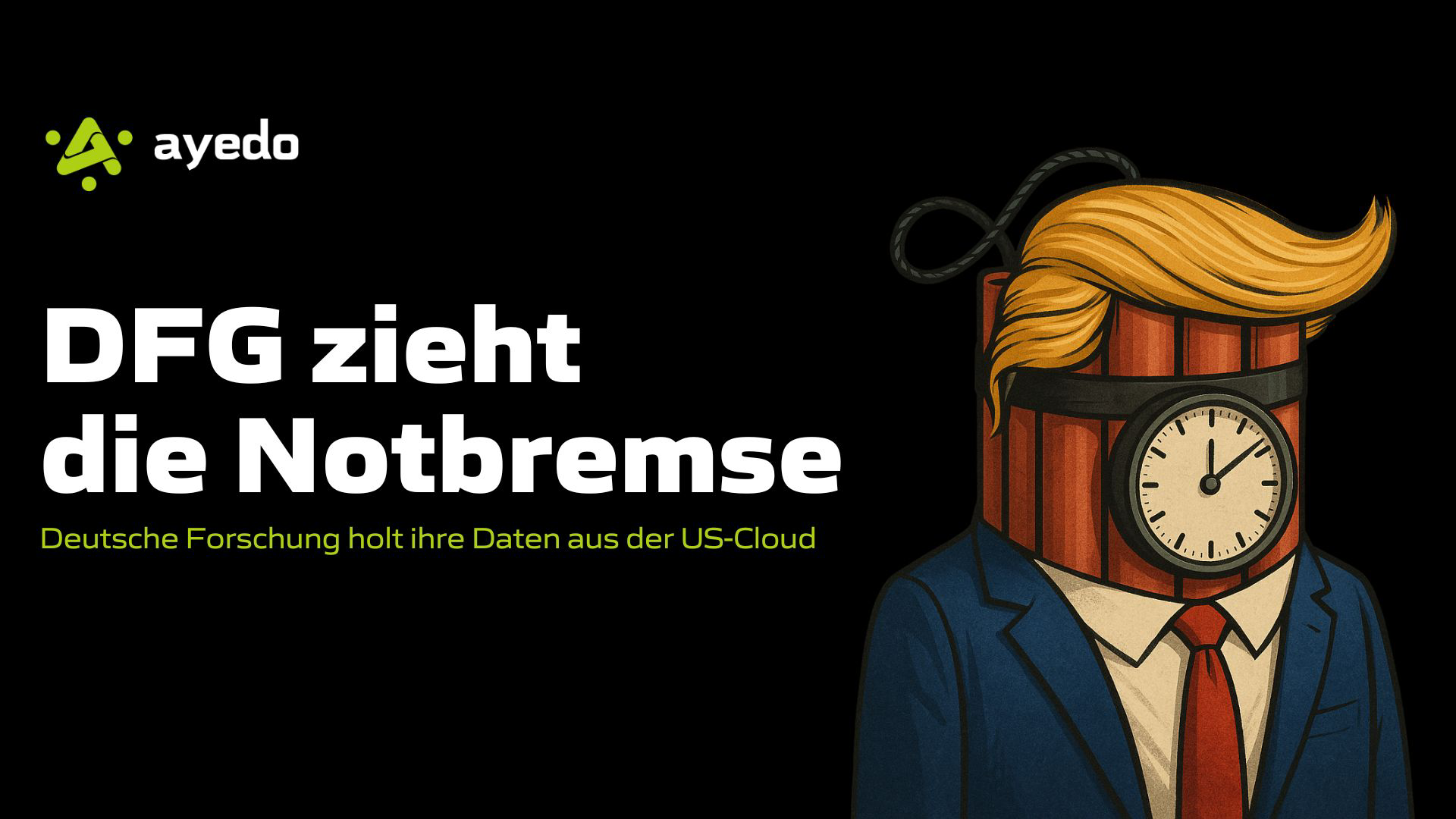
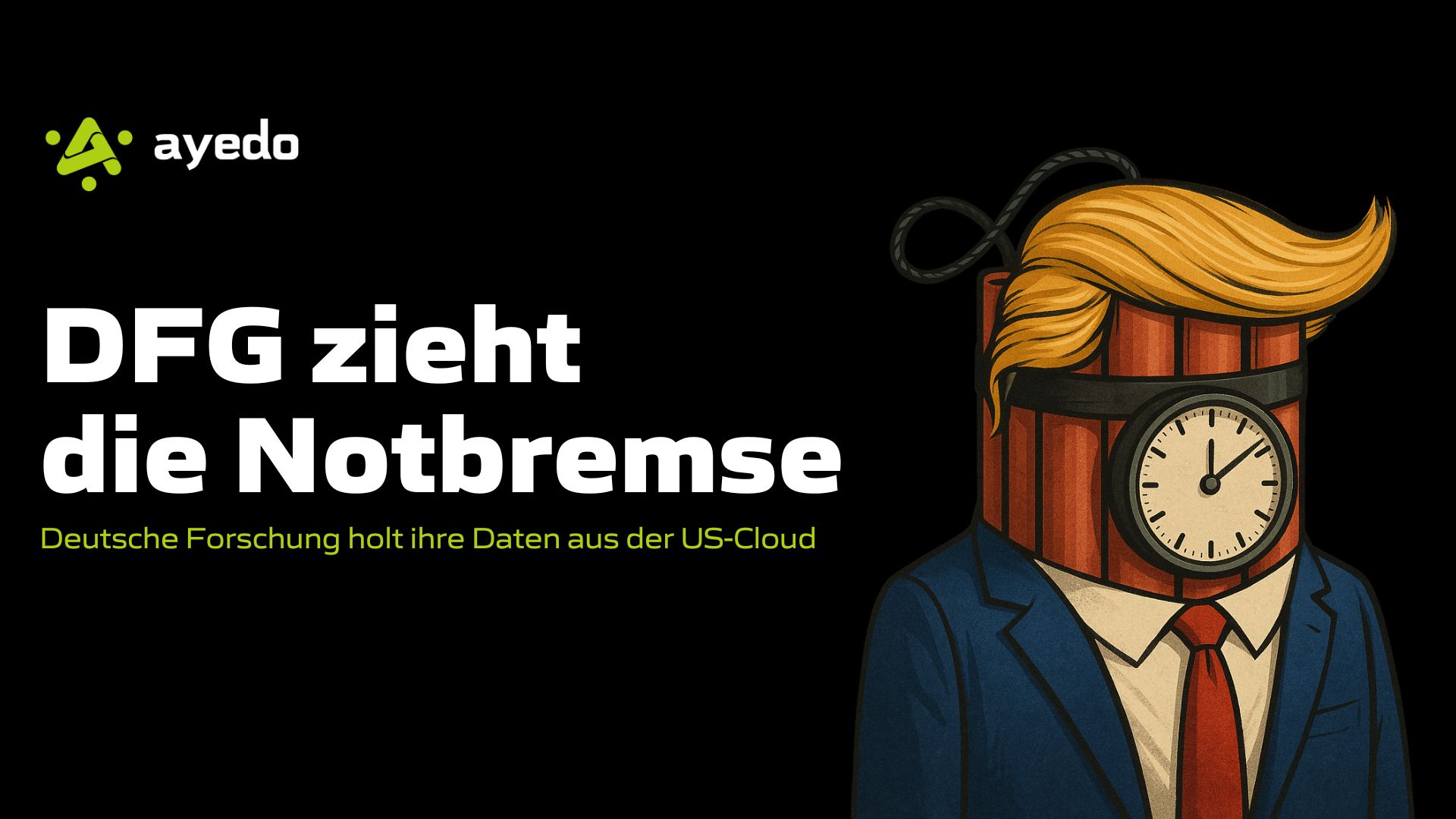
The German Research Foundation (DFG) has sent a clear message: it is launching a funding program to retrieve endangered research data from foreign cloud storage—primarily from the data centers of Amazon, Google, and Microsoft. What sounds like a technical detail is, in fact, an overdue political decision.
For years, central data repositories of German and European science have been stored on the servers of American corporations. The reason is simple: these providers offer convenient, scalable, and widespread solutions. However, they are not sovereign.
The core issue lies with the US Cloud Act. This law requires American companies to provide US authorities with access to stored data upon request—regardless of where the data is physically located. This means that even if a German research consortium stores its data in a “European” cloud of a US corporation, Washington can potentially access it.
This subjects sensitive research data—such as that from medicine, life sciences, or security research—to a foreign legal framework. They are not fully protected, not fully controllable, and potentially not permanently accessible.
The DFG is responding with a funding initiative running until 2027. It supports everything that helps secure endangered data sets and transfer them to European servers: storage capacities, personnel, legal reviews, and the development of suitable interfaces. Integration into European structures like the European Open Science Cloud (EOSC) is also part of the program.
With this, the DFG pursues a goal that extends far beyond the realm of science: digital sovereignty. This means operating data, infrastructures, and technologies in a way that they are not dependent on foreign laws, markets, or power structures.
Especially in times of geopolitical uncertainty, this point becomes crucial. With the return of Donald Trump to the White House, the transatlantic relationship is once again under scrutiny. If the political situation in the US can directly influence access to European research data, action is no longer a question—it’s an obligation.
The DFG’s initiative is therefore more than a funding program. It is a change of course. It acknowledges that dependencies cannot be resolved through trust but only through control. Research that relies on data from third countries remains vulnerable—legally, technically, and politically.
The program creates incentives to reduce this vulnerability. It promotes the development of redundant, interconnected data infrastructures in Europe that secure and make research results accessible in the long term. Thus, data sovereignty becomes a central component of scientific quality assurance.
The DFG is setting an example of what politics and administration should have implemented long ago: the consistent development of their own infrastructures. Universities, authorities, and companies face the same task. Those who rely on US platforms lose control—over data, over processes, and ultimately over room for maneuver.
Europe’s digital future is decided not at the interfaces of artificial intelligence, but in the control over storage, networks, and standards. Those who place their data in foreign hands lose power to act.
The DFG has recognized this connection—and is drawing consequences from it. It is a step towards independence that many others should now take.
The DFG also supports the development of Container technologies to strengthen data infrastructure and ensure digital sovereignty.
Editorial This week, Europe once again loudly proclaimed ‘Digital Sovereignty!’—only to …
Editorial Germany, your servers. In the same week that a small community in Baden-Württemberg …

New Standards for Compliance and European Cloud Sovereignty Effective immediately, ayedo customers …