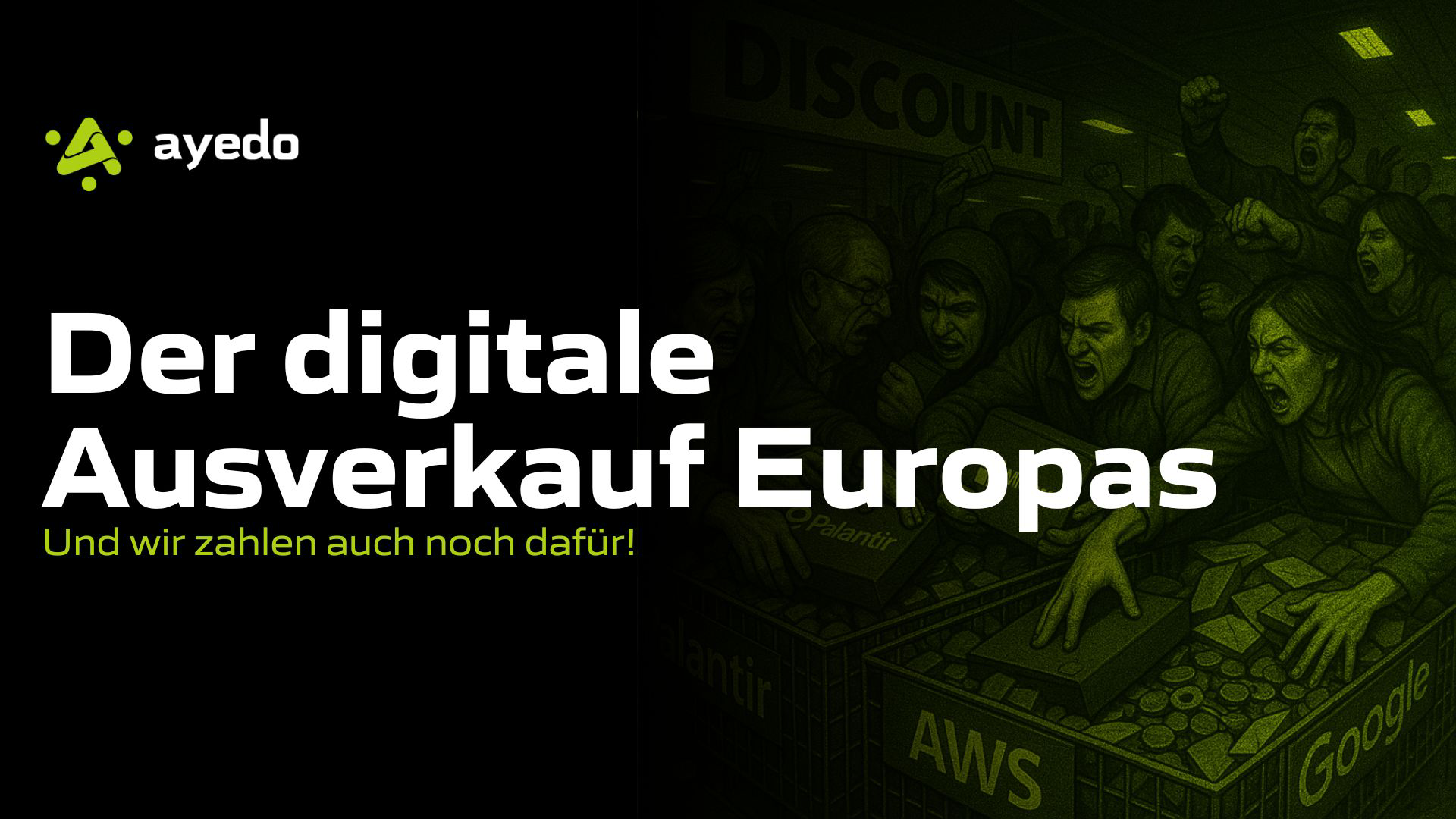
The Digital Sellout of Europe – And We’re Paying for It!
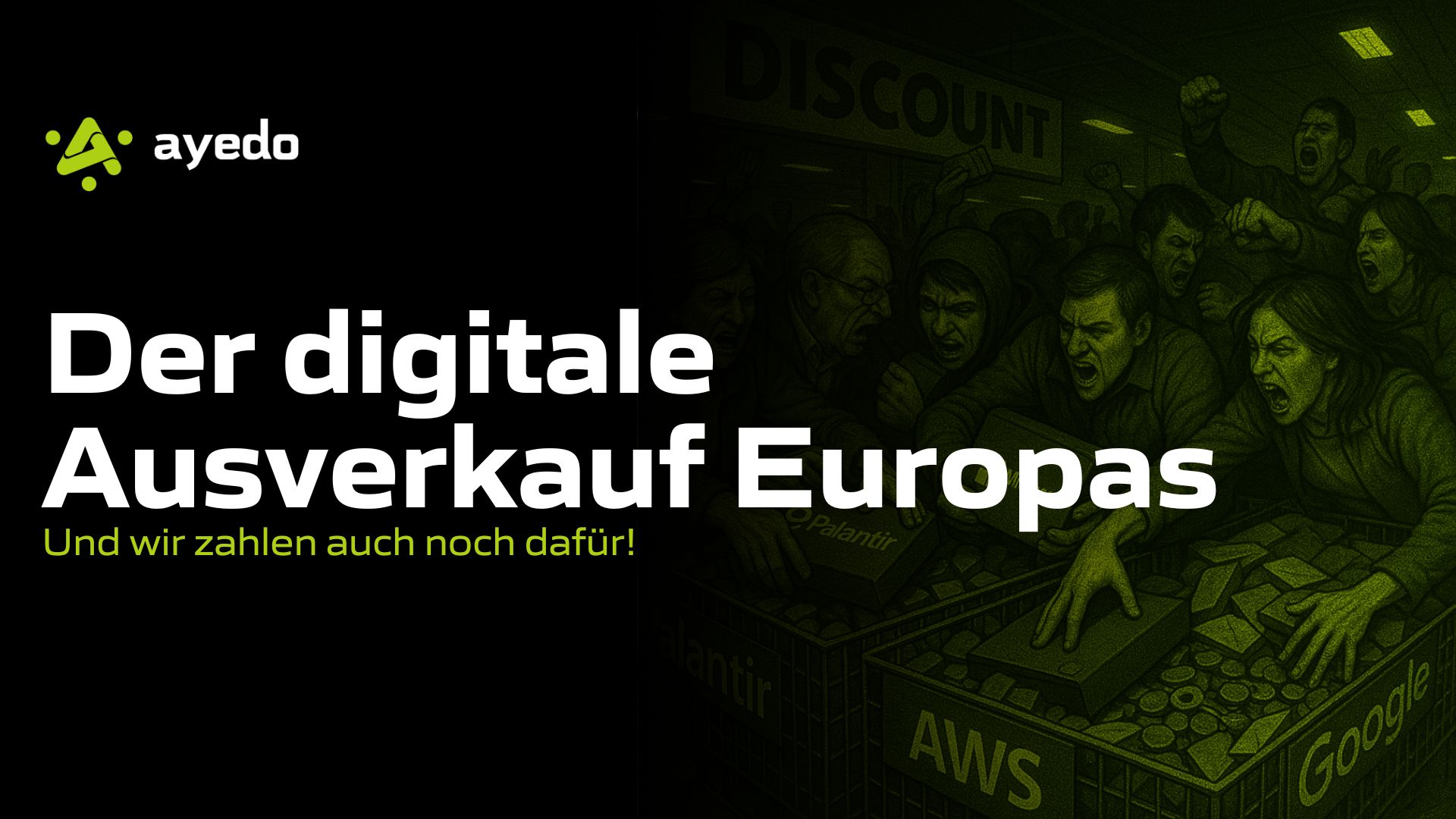
70% of European companies consider their dependency on non-European technology too high. This is not a gut feeling, but the result of the current “State of Cybersecurity Report 2025” by HarfangLab. A wake-up call. Yet, the majority of our data traffic continues to flow to where our laws end: American data centers, operated by platforms that have more in common with stock prices and geopolitical interests than with European IT reality.
When Dependency Becomes a Threat
Hyperscalers like Microsoft, Amazon, or Google promise security, innovation, and scalability. What they do not promise: legal certainty in terms of European data protection laws. The CLOUD Act allows US authorities access to all data stored by US providers – even if the servers are physically located in the EU. This extraterritorial reach starkly contradicts the GDPR and the idea of digital self-determination.
Since Microsoft suspended an International Criminal Court investigator’s account without warning, it should be clear to everyone: whoever controls the platform controls access. And losing access means potentially losing operational capability – whether as a company, hospital, or government agency.
Palantir: The Best (Worst) Example
The fact that European authorities rely on providers like Palantir is no coincidence – it’s a symptom of deep-seated dependency. Palantir is not just a data company with military origins but is led by Peter Thiel, a tech billionaire openly breaking with democratic values. His proximity to authoritarian ideas is documented, as is his political agenda. Yet, highly sensitive data from healthcare, security apparatus, and infrastructure end up in his company’s systems – ironically in a continent that repeatedly champions sovereignty.
Sovereignty Is Non-Negotiable
Sovereignty is not an ideology. It is not a PR buzzword. It is a prerequisite for stability, resilience, and the rule of law in the digital space. Anyone who believes a “Trust Center” in Frankfurt or a subcontractor clause can offer real protection ignores the reality of global platform power.
Sovereignty cannot be outsourced. Nor can it be bought with ISO certifications or SLAs. It begins with the questions:
- Who hosts my data?
- Who controls access in the worst case?
- Who is liable if political realities change?
The Renaissance of On-Premises Models Is Not a Regression
According to HarfangLab, 17% of European companies are already planning to switch to on-premises and 31% prefer existing systems. This is not a regression to old IT times. It is a step back to operational capability. Not every service belongs in the cloud. Not every application benefits from scaling. And above all: not every data packet belongs in hands that escape democratic control.
What Europe Needs Now
We need providers that are tangible. That are subject to European law. That cannot simply be shut down in an emergency – or held accountable by the political interests of foreign states. And we need decision-makers who finally understand: Digital dependency is a strategic risk.
ayedo has been supporting companies, authorities, and organizations in the sovereign digitization of their infrastructure for years. We are certified according to ISO 9001 and ISO/IEC 27001, operate infrastructure in European data centers, and rely on transparent, comprehensible open-source technologies – not because it’s “charming,” but because it is safer, more robust, and sustainable in the long term.
Conclusion
The discussion about digital sovereignty is overdue. It begins with the admission that we have become too dependent – on providers that neither represent our laws nor our interests. Anyone talking about cloud strategies today must still be operational tomorrow. No ifs or buts.
The digital sellout of Europe is happening. And if we don’t finally change course, we will pay not only with money – but with control.
This dependency is also evident in the Hyperscaler craze in Germany, the end of support for Windows 10, and the US pressure on the EU attempting to undermine European regulation. It is high time to break these patterns and avoid real vendor lock-in traps.