
Operating Nextcloud Sovereignly: Why the "How" is Decisive
Nextcloud stands for digital independence, European data protection standards, and an open, …
01.12.2025
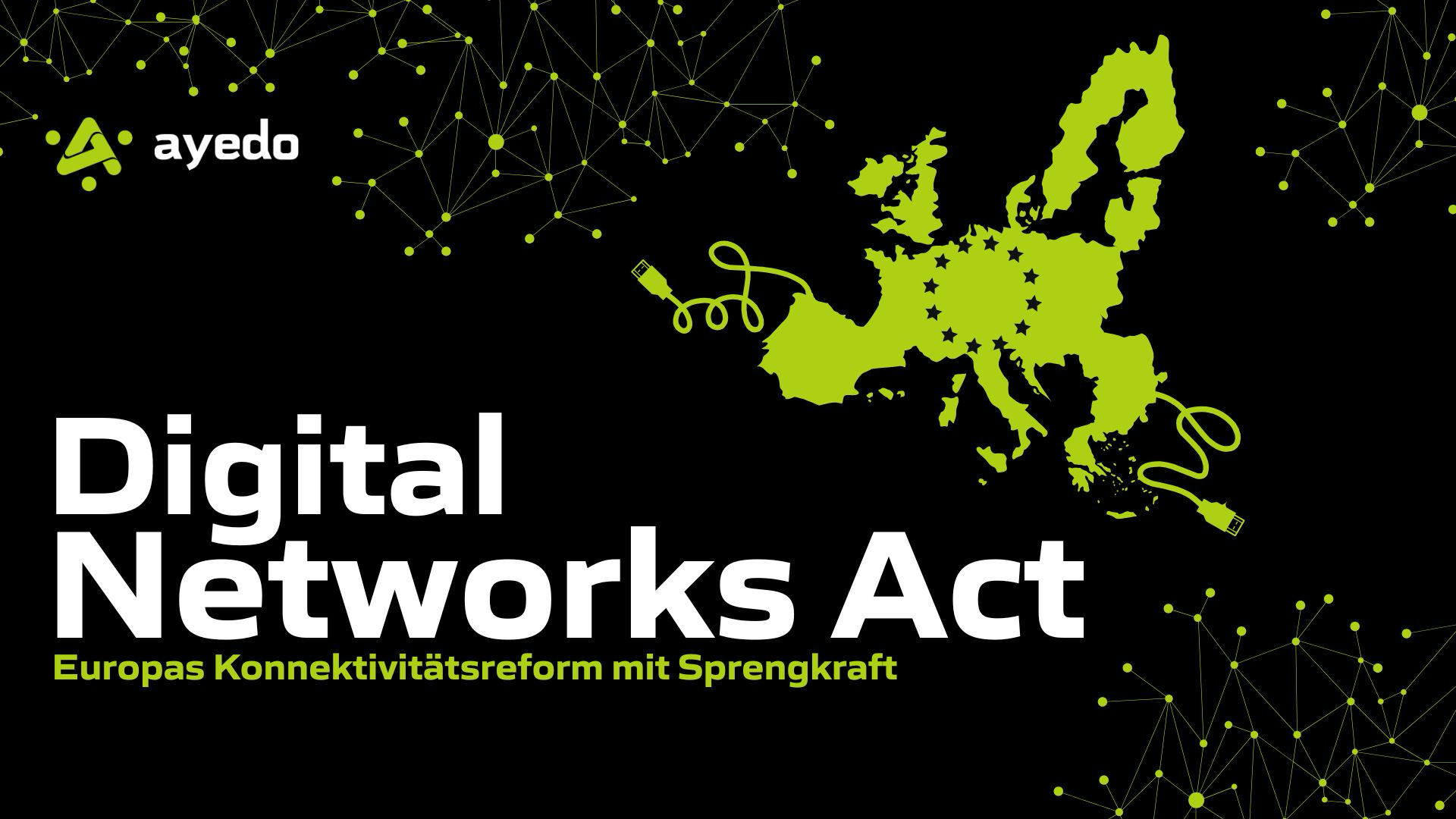
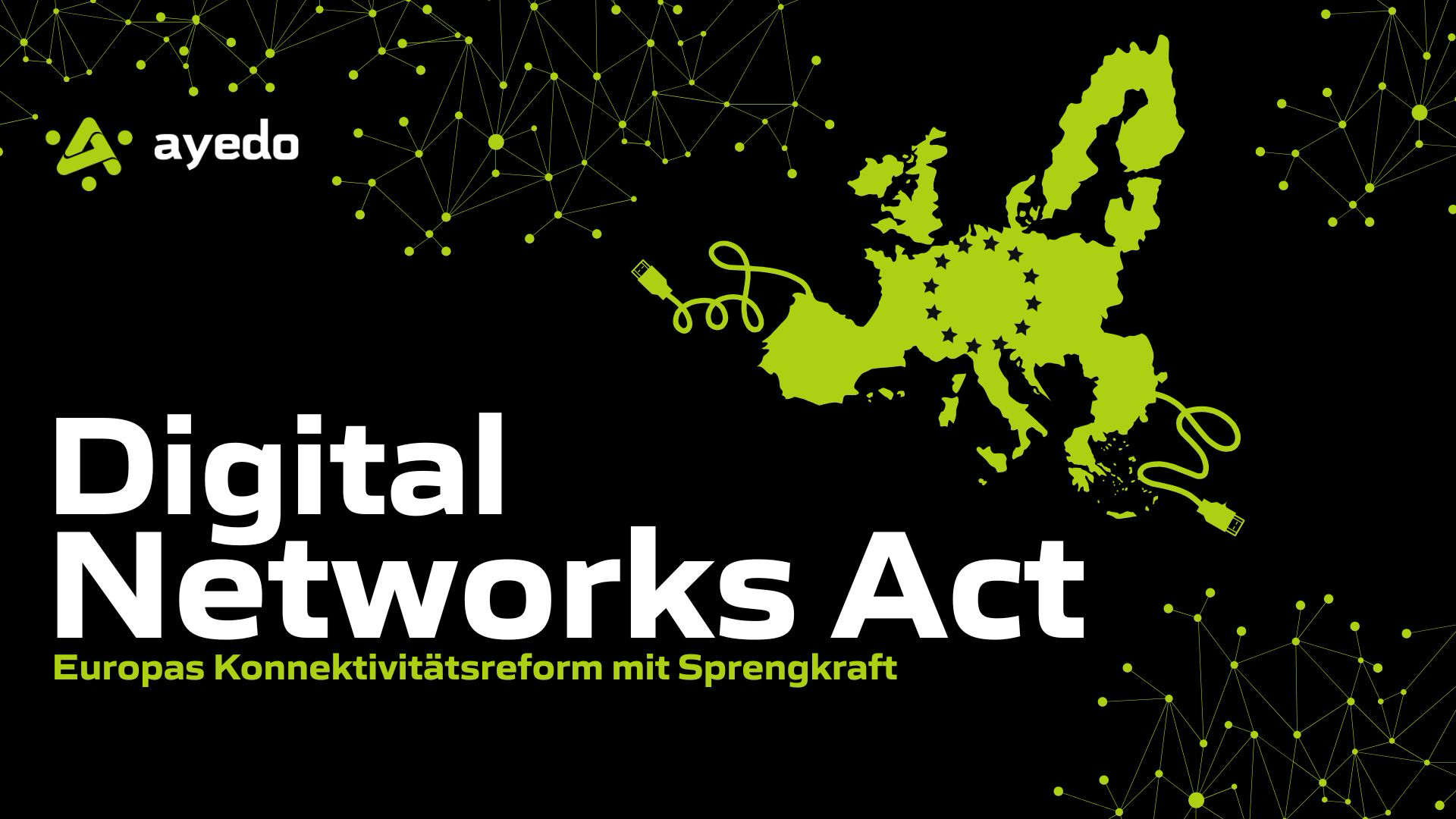
With the Digital Networks Act (DNA), the EU is preparing one of the most profound reforms of its telecommunications sector. The aim is to overcome regulatory fragmentation, accelerate investments in future-proof network infrastructures, and strengthen Europe’s digital competitiveness on a global scale.
However, the DNA is more than a technocratic piece of legislation: it represents a paradigm shift towards a unified, resilient, and sovereign digital infrastructure—while also being at the heart of a highly emotional controversy over the introduction of a so-called Fair-Share Model. This model aims to obligate large content providers to co-finance the networks, with potential implications for net neutrality and the openness of the internet.
The current legal framework—the European Electronic Communications Code (EECC)—is considered outdated. It is based on a directive implemented individually by each member state, resulting in inconsistent outcomes.
With the DNA, the EU is shifting to a regulation as a legal form—meaning uniform, directly applicable, and binding. This aims to create a true European connectivity single market.
The DNA replaces the patchwork of national regulations with a consistent framework. The vision: less bureaucracy, more economies of scale, greater investment security.
Technological priorities:
The focus is on protecting critical infrastructures such as undersea cables or 5G components. The Commission is considering a joint EU governance model for particularly sensitive network elements.
| Objective Area | Specification | Implication |
|---|---|---|
| Market Integration | Unified digital single market | Shift from directive (EECC) to regulation (DNA) |
| Network Expansion | Fiber, 5G, spectrum harmonization | EU responsibility for frequency allocation and expansion priorities |
| Investment Promotion | Involvement of large traffic generators (LTGs) | Discussion on Fair-Share Model |
| Digital Sovereignty | Protection of critical infrastructure | Joint EU governance system in planning |
Telecommunications providers demand that Large Traffic Generators (LTGs)—such as Netflix, Google, Meta—contribute to network costs. Their arguments:
A proposed mechanism would require LTGs to negotiate once they exceed a threshold (e.g., 5% of national data traffic)—with binding dispute resolution by authorities.
Critics—including NGOs, platform operators, and consumer associations—fear:
In particular, the principle of Settlement-Free Peering (SFP)—the free exchange of data between networks—is threatened by the DNA. It is the backbone of an open, dynamic internet.
| Aspect | Proponents (Telcos) | Critics (LTGs, Civil Society) |
|---|---|---|
| Financing Structure | Fair balance to secure investments | Additional costs passed on to users and SMEs |
| Net Neutrality | Can be maintained through protective measures | Risk of discriminatory access models |
| Market Dynamics | Strengthening European providers through scaling | Fragmentation due to national thresholds |
| Internet Architecture | Greater control of interconnection | Destruction of the functioning SFP model |
In addition to economic and technological goals, the DNA also pursues a clear security policy agenda:
The planned joint management of the undersea cable infrastructure is an expression of this security policy reorientation.
To make the DNA a success, the EU must safeguard both infrastructural investment security and digital freedom rights. Three suggestions:
Instead of fixed fees, usage costs and profits should be disclosed to enable fair negotiations based on data.
The EU should develop performance-based financing instruments—similar to pay-per-milestone models in the construction industry.
Any fees should be used exclusively for national network expansion—no cross-financing of corporate interests.
The Digital Networks Act is more than a telecommunications law. It is Europe’s attempt to write the rules for the digital decade itself—sovereign, innovation-friendly, and in technological leadership.
However, the DNA will be measured by whether it can resolve the tension between infrastructure promotion and digital freedom. If this balancing act fails, either investment stagnation or the erosion of the open internet threatens.
The DNA is thus a litmus test for Europe’s ability to unite regulatory vision with technological reality.
Nextcloud stands for digital independence, European data protection standards, and an open, …
Delos Cloud vs. Stackit Workspace – Wolves in Sheep’s Clothing The discussion around digital …

Cloud Brokering for True Sovereignty The discussion about digital sovereignty in Europe is old, but …